Is global logistics the unsung hero of our interconnected world?
As international trade soars to new heights, the importance of efficient logistics has never been clearer. In fact, we’re talking about a $12 trillion market by 2027, fueled by technological advancements and a surge in e-commerce.
In this article, we’ll explore how global logistics not only drives trade growth but also shapes the way businesses operate across borders, tackling challenges and leveraging technology along the way.
Understanding Global Logistics: Definition and Importance
Global logistics involves managing supply chain processes on a global scale to ensure the efficient movement of goods across international borders.
This discipline encompasses several core components essential for effectiveness:
-
Transportation: The backbone of global logistics, facilitating the movement of goods via various modes—air, sea, rail, and road.
-
Warehousing: Efficient storage solutions that allow for the management of inventory to meet demand while minimizing costs.
-
Inventory Management: Critical for tracking and managing stock levels, ensuring that the right quantity is available at the right time.
-
Customs Clearance: Navigating regulations and paperwork to ensure that goods are transported across borders without delays.
Each of these elements plays a vital role in the overall efficiency of supply chains, minimizing delays and reducing costs.
The significance of global logistics in modern supply chains cannot be overstated.
As markets become increasingly interconnected, the demand for streamlined logistics services continues to rise.
Businesses that optimize their logistics management solutions can enhance operational efficiencies, improve customer satisfaction, and gain a competitive edge.
Additionally, effective global logistics facilitate international trade, enabling companies to expand their market reach and meet diverse consumer needs.
In summary, understanding global logistics is crucial for companies aiming to succeed in today’s complex, dynamic trade environment. The effective management of logistics services can ultimately determine a company’s ability to thrive on a global scale.
Global Logistics Trends: Current Insights and Future Outlook
The global logistics market is poised for significant expansion, with projections indicating it will reach approximately $12 trillion by 2027. This demonstrates substantial growth potential and highlights the evolving nature of global shipping logistics.
A key factor driving this growth is the rapid adoption of innovative technologies.
Technologies like artificial intelligence and blockchain are becoming increasingly integral, enhancing visibility and efficiency within logistics operations. For instance, AI algorithms can optimize routing and inventory management, while blockchain provides secure tracking of shipments and transactions, helping to reduce fraud and errors.
Sustainability is another prominent trend reshaping global logistics.
As companies focus on their environmental impact, there is a noticeable shift towards eco-friendly logistics practices. Many businesses are implementing strategies to minimize their carbon footprints, such as optimizing transportation routes and investing in electric vehicles. This trend not only meets regulatory requirements but also enhances brand loyalty among environmentally conscious consumers.
Moreover, the impact of e-commerce on global logistics is profound.
With the surge in online shopping, logistics operations must adapt to meet consumer expectations for speed and efficiency. Businesses are increasingly investing in last-mile delivery solutions that enable faster delivery times while maintaining cost-effectiveness.
In summary, staying abreast of these global logistics trends will be essential for businesses aiming to optimize their supply chains. Integrating advanced technologies, prioritizing sustainability, and adapting to the dynamics of e-commerce will not only enhance logistics strategies but also position companies for future success in a rapidly evolving market.
Challenges in Global Logistics: Navigating Obstacles in Supply Chains
Global logistics challenges significantly impact businesses aiming for efficient supply chain management.
Fluctuating shipping costs remain a persistent issue for companies relying on global transport services. These variable rates can stem from fuel price instability, demand fluctuations, and market competition. Businesses must adapt their logistics strategies to absorb these costs, potentially affecting profit margins and pricing structures.
Regulatory compliance is another major challenge in global logistics. Each country has its own set of regulations regarding shipping, tariffs, and customs clearance. Navigating these complexities requires robust logistics risk management practices to ensure compliance and avoid penalties that could slow down the shipping process.
Delays from customs processes can further complicate global logistics. Inspection times and bureaucratic inefficiencies can lead to prolonged transit periods, resulting in missed delivery deadlines. This not only impacts operational efficiency but also affects customer satisfaction. Companies must anticipate these delays and build buffer time into their logistics planning.
Additionally, geopolitical factors and trade agreements can influence shipping routes and costs. Fluctuating trade policies may lead to sudden changes in operational requirements, requiring businesses to be agile in their logistics planning.
By recognizing these critical challenges, companies can implement strategies to mitigate risks and enhance supply chain resilience in the ever-changing landscape of global logistics.
Technology’s Role in Global Logistics: Innovations and Tools
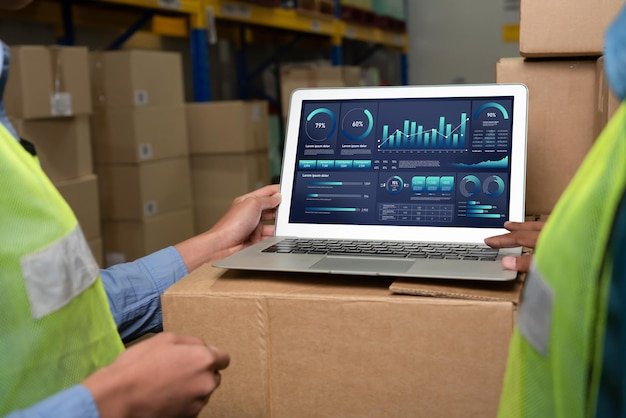
Advanced technologies are revolutionizing global logistics, enhancing operational efficiency and visibility. Key global logistics technologies include Business Intelligence (BI) and Transportation Management Systems (TMS), which play crucial roles in optimizing logistics operations.
BI tools offer comprehensive data analytics, allowing businesses to analyze logistics performance metrics effectively. By harnessing data from various sources, companies can gain insights into shipping trends, customer behavior, and operational bottlenecks. This data-driven approach enables shippers to make informed decisions that enhance efficiency and reduce costs.
TMS solutions streamline shipping processes by automating various tasks, such as load planning, carrier selection, and tracking shipments. These systems provide real-time visibility into shipment status, allowing businesses to respond swiftly to any delays or disruptions.
Artificial intelligence (AI) is also making significant strides in logistics. AI-driven algorithms optimize routing and inventory management, minimizing operational delays while maximizing cost savings. Predictive analytics powered by AI assist companies in forecasting demand, helping to improve inventory levels and reduce waste.
Blockchain technology enhances transparency and security in logistics transactions. By creating a decentralized ledger of all transactions, businesses can ensure the integrity of their data and trace the provenance of goods throughout the supply chain. This innovation not only builds trust among stakeholders but also simplifies compliance with international trade regulations.
The implementation of these innovations positions companies to adapt to the rapidly changing demands of the logistics landscape. Integrating cutting-edge global logistics software enables organizations to enhance visibility, optimize resources, and ultimately improve their service offerings, positioning them ahead of the competition.
Innovation in logistics is not merely a trend; it is a necessity for businesses striving for efficiency and success in a complex global market.
Global Logistics Careers: Opportunities and Skillsets Required
The logistics industry presents a variety of career opportunities, ranging from entry-level positions to executive roles. Some key roles include supply chain managers, transport coordinators, logistics analysts, and warehouse operations supervisors.
With the rapid evolution of global logistics, there is a growing demand for professionals equipped with specific skill sets. Candidates are often expected to have proficiency in data analysis, enabling them to interpret logistics data for better decision-making.
Strong supply chain strategy knowledge is crucial for optimizing operations, while expertise in technology, including Transportation Management Systems (TMS) and inventory management software, is increasingly valuable.
Flexibility and adaptability are also key traits, given the industry’s dynamic nature.
Here are some common positions and required skills within global logistics careers:
| Position | Required Skills |
|——————————-|———————————————|
| Supply Chain Manager | Strategic planning, negotiation, leadership |
| Transport Coordinator | Time management, communication, problem-solving |
| Logistics Analyst | Data analysis, reporting, statistical modeling |
| Warehouse Operations Manager | Inventory management, team leadership |
The variety of roles in global logistics not only highlights the industry’s growth but also the evolving skillsets necessary for success. This diversity opens pathways for career advancement and professional development.
Global Logistics and Fulfillment: Services and Solutions Provided
Global logistics services play a crucial role in the effective distribution of goods across borders, enhancing business operations and driving growth.
Fulfillment services are at the core of this, encompassing a diverse range of solutions tailored to meet the unique demands of various industries. Key components of global logistics and fulfillment include:
-
eCommerce Fulfillment: This service involves managing online orders, from warehousing products to shipping them directly to consumers. Companies optimize fulfillment processes to ensure prompt delivery, catering to the increasing demand for quick turnaround times.
-
Pick/Pack Services: This process entails the picking of products from storage and packing them for distribution. Efficient pick/pack operations reduce handling times and errors, contributing to customer satisfaction and streamlined inventory management.
-
Inventory Management: Effective tracking and management of stock levels are essential. Logistics partners implement advanced technologies to monitor inventory, ensuring optimal stock availability while minimizing costs.
-
Third-Party Logistics (3PL) Capabilities: Many logistics providers offer 3PL services, allowing businesses to outsource specific elements of their supply chain. This includes transportation, warehousing, and distribution, enabling companies to focus on core business activities while enhancing operational efficiency.
The integration of these global logistics solutions not only enhances the distribution capabilities of businesses but also supports their growth by aligning logistics strategies with market demands. By leveraging tailored services, companies can navigate complex supply chains effectively and maintain a competitive edge in the global marketplace.
Effective global logistics is critical for businesses navigating today’s interconnected world. By understanding key components such as supply chain management, transportation options, and technology integration, organizations can enhance efficiency and reduce costs.
Fostering strong partnerships and adapting to changes in regulations further strengthens logistics strategies.
As companies embrace these techniques, they position themselves for success.
With a keen focus on optimizing global logistics, businesses can not only thrive but also contribute positively to the global marketplace.
FAQ
Q: What are global logistics?
A: Global logistics involves the management of supply chain processes on a worldwide scale, ensuring efficient movement of goods internationally through transportation, warehousing, inventory management, and customs clearance.
Q: What trends are shaping global logistics?
A: Trends include the growth of e-commerce, increased use of advanced technologies like AI and blockchain, sustainability efforts, and rising demand for faster delivery options, projecting significant industry growth.
Q: What challenges do companies face in global logistics?
A: Key issues include fluctuating shipping costs, regulatory compliance, customs delays, and maintaining customer satisfaction, which can impact delivery times and operational efficiency.
Q: How can companies optimize their shipping operations?
A: Companies can optimize operations through customized logistics programs, such as expert carrier contract negotiation and freight bill pre-audit services to identify cost-saving opportunities.
Q: What services does GLI Freight offer?
A: GLI Freight offers personalized logistics services, including freight savings strategies, carrier contract negotiation, and cargo insurance solutions, tailored for businesses with varying shipping needs.
Q: What facilities does Global Logistics operate?
A: Global Logistics operates nearly 500,000 square feet of facility space across three strategic West Coast USA locations, providing eCommerce fulfillment, pick/pack services, and third-party logistics (3PL).
Q: How does GLI ensure customer satisfaction?
A: GLI emphasizes seamless communication with dedicated experts, ensuring quick response times and continuity in operations, even during staff turnover, to maintain efficiency in freight movement.
Q: What is the significance of technology in logistics?
A: Advanced technologies enhance transparency, reduce costs, and improve tracking capabilities in logistics, thus reshaping operational strategies and fostering innovation within the industry.
Q: Who can benefit from GLI’s services?
A: Businesses handling 26 to 1,000 LTL shipments monthly or spending over $5,000 on parcel shipping can benefit from GLI’s specialized logistics services and cost-saving solutions.
Q: What is the role of sustainability in global logistics?
A: Sustainability is increasingly prioritized, with companies seeking to reduce their carbon footprints by optimizing transportation routes and implementing eco-friendly packaging solutions.