Ever wondered why some businesses thrive while others struggle to meet customer demands?
The secret often lies in their logistics strategy—specifically, in the choice of air freight forwarding companies.
These specialists are the unsung heroes of global shipping, expertly navigating the complexities of logistics, customs, and compliance.
In this article, we’ll dive into the world of air freight forwarding companies, highlighting their crucial role in boosting international shipping success and uncovering the best options for your business.
Overview of Air Freight Forwarding Companies
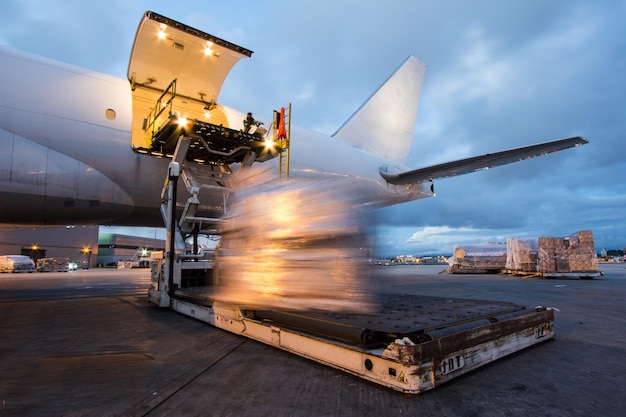
Air freight forwarding companies play a crucial role in global logistics by facilitating the rapid transportation of goods via air. They handle a broad spectrum of logistics needs, including customs clearance and compliance with international regulations, making them indispensable for businesses requiring urgent shipping solutions. According to the International Air Transport Association (IATA), the global air freight market is expected to grow by 4% annually over the next few years, highlighting the increasing demand for air cargo services.
These companies work with established networks of airlines and service providers to ensure efficient routing and timely deliveries. The best air freight forwarding companies are distinguished by their operational efficiency, which allows them to manage various cargo types, from perishable goods to heavy machinery. Their capabilities often extend beyond mere transportation, encompassing specialized services such as temperature-controlled shipping and customs brokerage.
International air freight forwarding companies are particularly valuable for businesses operating in multiple countries, as their extensive global reach enables seamless import and export processes. They typically offer tailored solutions to meet specific industry demands, ensuring that each shipment, regardless of its nature, adheres to the necessary regulations and standards.
Key characteristics that define reputable air freight forwarders include:
- Established networks with airlines and other logistics partners
- A strong track record of reliability and customer service
- Varied service offerings suited to different types of cargo
- Compliance with international customs regulations
Given their integral role in the logistics chain, selecting the right air freight forwarding partner can significantly impact a company’s ability to meet market demands efficiently and effectively, with unmet demand reportedly costing businesses in the logistics sector around $1 trillion annually, according to a report from Accenture.
Top Air Freight Forwarding Companies List
A comprehensive analysis of air freight forwarding companies reveals the leaders in the logistics sector, ranked according to their air freight volumes and operational capacities. Key metrics such as global reach, specialized services, and customer trust heavily influence these rankings.
Here’s a curated list of the top air freight forwarding companies, highlighting their strengths and areas of specialization:
| Company Name | Air Freight Volume (metric tons) | Specialization | Global Reach |
|---|---|---|---|
| UPS Supply Chain Solutions | 850,000 | Express delivery, heavy cargo | Global |
| DHL Supply Chain | 800,000 | Temperature-controlled shipping | Global |
| DB Schenker | 750,000 | Customs brokerage, specialized commodities | Global |
| Expeditors International | 700,000 | Technology solutions, real-time tracking | Global |
| Kuehne + Nagel | 650,000 | Aerospace logistics, project logistics | Global |
| Ryder Supply Chain Solutions | 600,000 | Total transportation solutions | North America |
| Geodis | 550,000 | Innovative logistics, supply chain optimization | Global |
| Panalpina | 500,000 | High-tech cargo, energy logistics | Global |
| Sinotrans Limited | 420,000 | Import/export services in Asia | Asia-Pacific |
| AIT Worldwide Logistics | 400,000 | Customizable solutions, urgent freight | North America, select EU |
These companies not only maintain extensive networks across various regions but also offer specialized services catering to diverse industries, ensuring efficient and reliable air freight solutions. Factors such as operational efficiency and customer support play a significant role in their rankings, making them the best in the air freight logistics industry.
Comparing Air Freight Forwarding Services
A thorough comparison of air freight forwarding companies involves examining their services, pricing, and delivery options.
Key performance indicators to consider include:
- Delivery Speed: Evaluate how quickly companies can fulfill shipments, focusing on their ability to offer same-day or next-day services. Some forwarders specialize in ultra-critical deliveries, leveraging priority partnerships with airlines.
- Reliability: Look for companies with established track records of meeting deadlines and maintaining cargo integrity. Customer reviews and industry reports can provide insights into reliability.
- Customer Service: Assess each company’s commitment to customer satisfaction. A dedicated point of contact can enhance communication and streamline operations.
- Additional Offerings: Many forwarders provide tracking tools and insurance options, which can be critical for businesses managing high-value or sensitive shipments.
- Pricing Structures: Companies may have varying pricing based on factors such as distance, cargo type, and additional services. Understanding their fee structures, including any hidden surcharges, is essential for budgeting.
- Specialized Services: Some companies cater to niche markets, offering tailored solutions like temperature-controlled shipping for pharmaceuticals or chartered flights for oversized cargo.
Here’s a comparison table of features among top air freight forwarding companies:
| Company | Delivery Speed | Reliability Rating | Customer Support | Special Services |
|---|---|---|---|---|
| Forwarder A | Same-day, Next-day | 4.5/5 | 24/7 Support | Temperature-Controlled |
| Forwarder B | Next-flight out | 4.7/5 | Dedicated Agent | Chartered Services |
| Forwarder C | Overnight | 4.2/5 | Online Chat Available | Insurance Options |
Ultimately, potential clients should analyze which services align best with their unique shipping requirements, enhancing their operational efficiency and overall satisfaction.
Understanding Air Freight Costs & Logistics
The costs associated with air freight forwarding can vary widely based on several factors. Key components of pricing include:
- Shipping Rates: The base rate charged for transporting goods via air, typically calculated per kilogram or cubic meter.
- Surcharges: These may apply for fuel fluctuations, peak seasons, or special handling requirements. Additional fees could also involve security checks or airport tariffs.
- Additional Fees: These might include customs clearance costs, insurance premiums, and delivery charges once the cargo arrives at its destination.
Factors influencing pricing include:
- Distance: Longer distances generally incur higher costs due to increased fuel consumption and time requirements.
- Freight Type: Different types of cargo—such as hazardous materials, perishables, or oversized items—often carry varying costs due to specialized handling and regulatory compliance needed.
- Customer Service Features: Enhanced service offerings, like real-time tracking or dedicated account management, can also impact pricing.
Understanding these elements is crucial for businesses to optimize logistics costs effectively. According to a report by Freightos, digital booking and transparency in air freight can lead to a reduction of up to 20% in logistics costs, enhancing overall profitability.
Companies typically employ several air freight pricing models, such as:
- Flat Rate Pricing: A straightforward approach where a single price is set, regardless of distance or weight, simplifying budgeting for customers.
- Weight-Based Pricing: Charges are calculated based on the actual weight or volumetric weight of the shipment, offering flexibility for varying shipment sizes.
- Zone-Based Pricing: The costs can differ according to geographical zones, facilitating volume-based pricing according to regional demand.
Strategies for managing air freight costs effectively include:
- Consolidation: Combining smaller shipments into one larger shipment to benefit from economies of scale.
- Rate Negotiation: Establishing relationships with freight forwarders to negotiate better rates and terms based on shipping volumes.
- Mode Optimization: Assessing whether air freight is the most cost-effective transportation method compared to sea or ground options for specific shipments.
By carefully navigating these elements of air freight logistics management, businesses can better control shipping expenses and enhance their overall supply chain efficiency.
Navigating Customs Clearance in Air Freight
The customs clearance process is a critical step in air freight forwarding, ensuring that goods pass through international borders legally and efficiently.
Key documentation required includes:
- Commercial invoice
- Air waybill
- Packing list
- Export licenses (if applicable)
- Certificates of origin or inspection
Compliance with regulations is essential to avoid penalties or shipment delays. This encompasses understanding tariffs, duties, and any applicable restrictions specific to the goods being shipped.
Common challenges in customs clearance include:
- Incomplete or inaccurate documentation
- Changes in regulations that can lead to unexpected delays
- Misclassification of goods, affecting duties and taxes
Air freight forwarding companies play a vital role in navigating these complexities by leveraging their expertise in customs processes.
By working with experienced forwarders, businesses can ensure:
- Accurate customs declarations that meet legal standards
- Efficient processing to minimize delays
- Access to updated information regarding compliance regulations
Utilizing their relationships with customs authorities allows forwarders to facilitate smoother operations and expedite shipment clearances.
In summary, effective customs clearance is not just about following procedures; it involves strategic planning and proactive engagement with regulatory requirements to keep shipments on track.
Trends Impacting the Air Freight Forwarding Industry
Sustainability initiatives are increasingly shaping the air freight forwarding landscape. Companies are placing more emphasis on reducing their carbon footprints by investing in sustainable aviation fuel (SAF) and optimizing routes to minimize emissions. According to the World Economic Forum, sustainable aviation fuels could potentially reduce carbon emissions in air freight by up to 80% by 2050, marking a significant advancement in the industry’s efforts towards sustainability.
Technology adoption is another significant trend influencing the industry. Air freight forwarders are leveraging advanced technologies such as artificial intelligence, machine learning, and the Internet of Things (IoT) to enhance operational efficiency. These technologies enable real-time tracking, predictive analytics for demand forecasting, and improved inventory management, allowing companies to respond swiftly to changing customer needs.
Evolving customer expectations are driving the demand for more flexible and efficient service options. Customers now seek faster delivery times, personalized services, and transparent communication throughout the shipping process. As a result, air freight forwarders are adapting their offerings to include same-day shipping, enhanced tracking capabilities, and tailored solutions that address the specific requirements of varied industries.
Additionally, the emphasis on digital transformation is reshaping customer interactions. Forwarders are investing in user-friendly online portals and mobile applications that facilitate booking, tracking, and customer support. This trend streamlines operations and enhances the customer experience, building stronger relationships and loyalty.
Lastly, the recent global disruptions, such as the COVID-19 pandemic, have amplified the importance of agility in logistics. Supply chain resilience has become a key focus, with companies rethinking their networks and partnerships to ensure continuity in times of uncertainty. This has led to collaborations among logistics providers and a greater reliance on diversified transportation methods to mitigate risks.
In summary, the air freight forwarding industry is evolving rapidly, driven by sustainability efforts, technological innovations, changing customer demands, and the need for operational resilience. Adapting to these trends is crucial for companies aiming to remain competitive in an increasingly dynamic market. Understanding the intricacies of air freight forwarding companies is key for businesses seeking efficient logistics solutions.
These companies play a crucial role in the swift transportation of goods, ensuring compliance and smooth customs clearance.
From evaluating top air freight forwarding companies to analyzing service offerings and costs, the landscape is robust and competitive.
Current trends show a shift towards sustainability and technology that will influence future operations.
As businesses navigate these challenges, partnering with reputable air freight forwarding companies will ensure they meet their shipping needs effectively.
FAQ
Q: What are the top air freight forwarding companies?
A: The top air freight forwarding companies include leading players ranked by air freight volumes and operational capacity, focusing on global reach, specialized services, and customer trust.
Q: How can I compare different air freight forwarding services?
A: You can compare air freight forwarding services by analyzing delivery speed, reliability, pricing structures, customer service, and available tracking tools or insurance options.
Q: What factors influence air freight costs?
A: Factors influencing air freight costs include distance, freight type, additional surcharges, and customer service features offered by the forwarding companies.
Q: What is the customs clearance process in air freight?
A: The customs clearance process in air freight involves necessary documentation, compliance requirements, and efficient processing facilitated by experienced forwarders to ensure regulations are met.
Q: What trends are currently impacting the air freight forwarding industry?
A: Current trends in the air freight forwarding industry include sustainability initiatives, technology adoption, and changing customer expectations, which significantly influence logistics solutions and service offerings.