
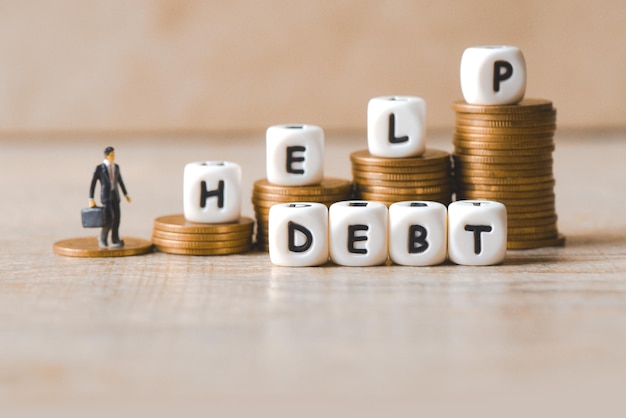
Are you struggling under the weight of high credit card debt? You’re not alone. Many individuals find themselves trapped by balances exceeding $10,000, as soaring interest rates pile on the pressure. But here’s the kicker: high credit card debt can be managed successfully! In this article, we’ll explore the reasons behind rising debt levels, its impact on your financial health, and effective strategies to regain control. Let’s turn those overwhelming numbers into a manageable plan—because your financial freedom is within reach!
Understanding High Credit Card Debt
High credit card debt has become a significant financial burden for many individuals, with balances often exceeding $10,000. The average credit card interest rate ranges from 16% to 20%, resulting in accumulating interest that complicates repayment efforts. According to the Federal Reserve, the total U.S. credit card debt hit a staggering $930 billion in 2023, illustrating the widespread challenge many face.
Statistics show that many people struggle to manage multiple credit cards. This can lead to missed payments, further compounding debt. Several reasons contribute to the rise in credit card debt:
- Lifestyle Inflation: As income increases, many individuals tend to spend more rather than saving or investing the difference.
- Unexpected Expenses: Medical bills, car repairs, and other unforeseen costs can push individuals to rely on credit cards.
- Minimal Budgeting: A lack of financial planning often results in overspending and subsequently accruing debt.
- Lower Credit Scores: High balances increase the credit utilization ratio, negatively affecting credit scores.
- Financial Stress: Constant worry about debt payments can cause anxiety, affecting both mental health and overall well-being.
In summary, understanding the gravity of high credit card debt is crucial for individuals aiming to improve their financial health. Recognizing its prevalence, reasons for accumulation, and its potential ramifications prepares individuals to take actionable steps toward debt management and financial stability.
Financial Consequences of High Credit Card Debt
Excessive credit card debt can severely undermine financial stability. One major consequence is a lower credit score, which results from high credit utilization ratios. When the total amount of credit used nears or exceeds the credit limit, it signals to lenders that a borrower is over-leveraged and increases the risk of default. According to Experian, consumers with a credit utilization above 30% typically see a significant drop in their credit scores, highlighting the importance of maintaining lower balances.
Late payments further exacerbate the situation, with fees ranging from $25 to $40. More troubling, missed payments can trigger penalty APRs that soar above 30%. This additional burden makes debt repayment even more challenging, leading to spiraling interest costs and prolonged periods of indebtedness.
A significant portion of income often becomes allocated to credit card payments, which can restrict the ability to save for essential goals such as home purchases, retirement, or emergencies. This financial strain can create a cycle of stress, impacting mental well-being and overall life satisfaction.
The emotional toll of credit card debt can result in anxiety, sleepless nights, and feelings of hopelessness. Individuals grappling with significant debt may experience a decrease in quality of life as they prioritize bill payments over personal well-being and immediate needs.
In summary, the financial consequences of maintaining high credit card debt include:
- Lower credit scores due to high credit utilization ratios
- Late fees and penalty interest rates compounding existing debt
- Limited capacity to save for vital future expenses
- Increased emotional stress and potential mental health issues
Addressing these consequences proactively can pave the way for financial recovery and improve quality of life.
Strategies for Managing High Credit Card Debt
Effective management of high credit card debt requires strategic planning and disciplined execution.
Prioritizing high-interest cards first can save significant amounts of money over time. By targeting these debts, you minimize the amount spent on interest, allowing more of your payments to go toward reducing the principal balance.
Consider debt consolidation as a viable option. Consolidating multiple credit card balances into a single payment can reduce interest rates and simplify management. This can be done through balance transfers, personal loans, or home equity lines of credit, each offering a streamlined approach to repayment.
Creating a realistic budget is essential for sustaining repayment efforts. Track your monthly income and expenses to identify areas where spending can be reduced. Allocate any surplus funds directly towards your credit card debt.
Utilize repayment methods such as the snowball method, where you pay off the smallest debts first for quick wins, or the avalanche method, where you tackle the highest interest rates first for maximum savings. Both approaches help expedite repayment. A survey by the National Foundation for Credit Counseling found that approximately 66% of consumers who used debt repayment strategies reported a decrease in stress about their financial situation.
Negotiating lower interest rates with credit card companies can also be effective. Many card issuers are willing to work with customers to keep them from defaulting, especially if you explain your situation.
Finally, consider seeking professional help like credit counseling services. These resources offer debt management plans tailored to your needs and can provide guidance on budgeting and negotiating with creditors.
By implementing these strategies, individuals can gain better control over their high credit card debt, paving the way toward financial stability.
High Credit Card Debt Solutions: Consolidation and Relief
Consolidating high credit card debt can be an effective strategy to simplify repayments and potentially lower interest rates.
Common methods to consider include:
- Balance Transfers: Moving debt from high-interest credit cards to a new card offering a lower interest rate or a promotional 0% APR can reduce the total amount of interest paid over time.
- Personal Loans: These loans typically have lower interest rates than credit cards. By consolidating multiple credit card balances into one personal loan, individuals can simplify their payments and potentially save on interest costs.
- Home Equity Lines of Credit (HELOC): If homeowners have equity in their property, a HELOC can provide access to funds at lower interest rates. However, this option involves the risk of using one’s home as collateral.
Credit counseling services are also a valuable resource for those dealing with high credit card debt. These organizations can help individuals develop effective debt management plans, negotiate lower interest rates with creditors, and provide guidance on budgeting.
Engaging with these services can empower individuals to better understand their debt and explore various options tailored to their financial situation.
By considering these solutions, individuals faced with high credit card debt can find a manageable path toward financial relief.
Best Practices for Managing High Credit Card Debt
Maintaining a budget is essential for effectively managing high credit card debt.
Tracking spending allows you to see where your money goes and identify areas to cut back, freeing up funds for debt repayment.
Here are key practices to consider:
- Create a Realistic Budget: Include all income sources and necessary expenses to evaluate cash flow accurately.
- Track Expenses: Use apps or spreadsheets to monitor daily spending habits. Identify discretionary expenses that can be reduced.
- Avoid High Credit Card Fees: Understand the terms of each card. Pay attention to annual fees, foreign transaction fees, and late payment charges to avoid unnecessary costs.
- Establish an Emergency Fund: Set aside funds for unexpected expenses. This prevents relying on credit cards when emergencies arise.
- Pay More than the Minimum: Allocating extra funds to your card payments can reduce overall interest and shorten the repayment timeline.
- Avoid Common Mistakes: Don’t use credit cards for essential purchases if you’re already in debt. Prioritize paying off existing balances before accumulating more debt.
Implementing these practices can help manage high credit card debt effectively while steering clear of pitfalls that prolong financial struggles. High credit card debt presents a significant challenge for many, stemming from various factors that can strain financial stability.
The financial consequences can be severe, affecting credit scores and causing emotional distress.
However, there are practical strategies to manage and reduce this debt effectively, such as prioritizing high-interest payments and considering consolidation options.
Embracing budgeting techniques and understanding credit terms can prevent debt from escalating.
By taking proactive steps, individuals can regain control over their financial situations and work towards a healthier future free from the burdens of high credit card debt.
FAQ
Q: What are the consequences of high credit card debt?
A: High credit card debt can lead to lower credit scores, high interest costs, late fees, and emotional stress. It restricts savings for essential goals and may result in penalty APRs.
Q: What strategies can help manage high credit card debt?
A: Effective strategies include prioritizing high-interest card payments, creating budgets, using the snowball or avalanche methods, negotiating lower interest rates, and consolidating debt through balance transfers or loans.
Q: How does debt consolidation work?
A: Debt consolidation simplifies repayment by merging multiple debts into one, potentially lowering interest rates. Options include balance transfers, personal loans, and home equity lines of credit.
Q: Should I pay more than the minimum on my credit cards?
A: Paying more than the minimum reduces overall interest costs and shortens repayment periods, making it a smart strategy for managing credit card debt effectively.
Q: How can I free up money to pay off credit card debt?
A: To free up funds, track your spending to identify cutbacks, consider paying with cash for purchases, and direct financial windfalls towards debt repayment.
Q: What should I do if I can’t pay my credit card bill?
A: Contact your credit card company immediately to discuss options. Many are willing to adjust payment schedules or offer assistance for those struggling to meet their payments.
Q: Are credit counseling services worthwhile?
A: Credit counseling services can provide valuable support for debt management plans, helping individuals negotiate with creditors and develop a budget to regain financial control.