
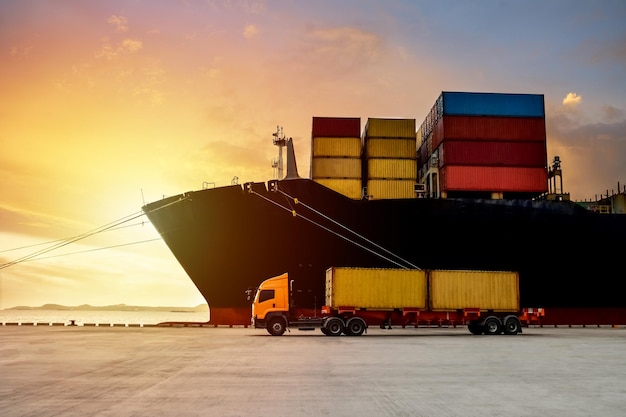
Are you overwhelmed by the complexities of global shipping?
You’re not alone.
In a world where your goods can traverse oceans and continents, navigating the maze of logistics can feel daunting.
Enter international freight forwarders—your key allies in streamlining the shipping process.
These experts bridge the gap between shippers and carriers, offering essential services that simplify international trade.
By understanding what freight forwarders do and the benefits they provide, you can transform your logistics approach and ensure smooth sailing for your shipments, no matter where they need to go.
Understanding International Freight Forwarders
Freight forwarders act as intermediaries between shippers and carriers, facilitating the movement of cargo internationally. They streamline logistics, ensuring competitiveness in pricing and service quality, which is vital for efficient supply chain management. According to the International Freight Forwarders Association, the global freight forwarding market is projected to grow at a CAGR of 4.5% from 2021 to 2026, reflecting increasing demand for logistics services.
The primary services offered by international freight forwarders include:
- Air Freight Services: Rapid transportation of goods by air, including expedited and deferred options, accommodating various shipment sizes.
- Ocean Freight Services: Comprehensive coverage of Full Container Load (FCL) and Less than Container Load (LCL) shipments, with focus on reliable schedules and timely arrivals.
- Customs Brokerage: Handling customs paperwork and compliance for import and export operations, ensuring timely cargo clearance at ports.
- Domestic Distribution: Logistics solutions within the country, often tailored to specific timelines and delivery requirements.
- Warehousing Solutions: Offering storage and inventory management services, crucial for supply chain efficiency.
The benefits of using freight forwarders extend beyond operational efficiency. They leverage extensive networks to provide:
- Cost-effective shipping solutions: By negotiating rates with carriers, forwarders can secure better pricing for clients.
- Expertise in regulatory compliance: Navigating intricate import/export regulations ensures smooth operations without legal issues.
- Risk management: Freight forwarders often provide insurance services to protect shipments from potential losses or damages.
Utilizing the services of international freight forwarders significantly simplifies logistics, enhancing overall business operations and customer satisfaction.
Top International Freight Forwarders in 2025
The landscape of freight forwarding is marked by key players excelling in logistics revenue and service delivery. Eight notable global freight forwarders for 2025 stand out due to their robust networks and comprehensive offerings:
- C.H. Robinson
- Gross Logistics Revenue: $16.75 billion
- Air Freight Volume: 266,475 metric tons
- CEVA Logistics
- Gross Logistics Revenue: $15.1 billion
- Air Freight Volume: 450,000 metric tons
- DB Schenker
- Gross Logistics Revenue: $21.12 billion
- Air Freight Volume: 1,148,000 metric tons
- DHL Global Forwarding
- Gross Logistics Revenue: $33.87 billion
- Air Freight Volume: 1,672,000 metric tons
- DSV
- Gross Logistics Revenue: $22.32 billion
- Air Freight Volume: 1,305,827 metric tons
- Expeditors
- Gross Logistics Revenue: $9.3 billion
- Air Freight Volume: 782,000 metric tons
- Nippon Express
- Gross Logistics Revenue: $15.93 billion
- Air Freight Volume: 693,546 metric tons
- Sinotrans
- Gross Logistics Revenue: $14.34 billion
- Air Freight Volume: 902,000 metric tons
These companies have built extensive networks that enable them to provide specialized services across various logistics needs. They not only handle vast volumes of air freight but also offer integrated solutions in ocean freight, customs brokerage, and more. The exceptional revenues and freight volumes underscore their capabilities to optimize supply chains for businesses globally. According to the latest reports from the World Trade Organization, global merchandise trade volume grew by 10.8% in 2021, emphasizing the importance of efficient logistics solutions. These forwarders are positioned to adapt to the evolving dynamics of international trade, ensuring shippers receive reliable and efficient logistics solutions. Their strengths lie in combining advanced technology, industry knowledge, and a strong customer focus to enhance operational efficiency in 2025.
How to Choose the Right International Freight Forwarder
When selecting a freight forwarder, several key factors should be considered to ensure the best fit for your logistics needs.
Industry Affiliations
Check if the forwarder is affiliated with recognized industry associations, which indicates commitment to industry standards and regulations. This can enhance reliability and trustworthiness in the services they offer.
Experience
Evaluate the forwarder’s experience in the logistics field, including how long they have been in business and their expertise in handling your specific type of cargo. Experienced professionals can navigate complexities more effectively, aiding in timely deliveries.
Technology Utilization
Investigate the technology systems the freight forwarder employs. Efficient tracking systems and online management tools provide transparency and enhance communication, essential for managing shipping timelines and logistics.
Financial Stability
Review the financial health of the freight forwarder. A stable company is less likely to face disruptions that could affect your logistics. Ensure they have the resources to maintain their services effectively, regardless of market fluctuations.
By considering these factors, businesses can identify reputable freight forwarders that align with their logistics strategy, ensuring smooth supply chain operations.
Comprehensive International Freight Forwarder Services
International freight forwarders play a pivotal role in logistics by offering an array of services essential for the smooth transit of goods across borders.
Their services include:
- Air Freight Services
Forwarders manage the timely and reliable transportation of goods by air, accommodating various shipment sizes and time-sensitive deliveries. - Ocean Freight (FCL & LCL)
They provide ocean freight options, including Full Container Load (FCL) for larger shipments and Less than Container Load (LCL) for smaller ones, ensuring cost-effective solutions tailored to specific needs. - Customs Brokerage
Forwarders facilitate customs clearance, ensuring compliance with local regulations and expediting cargo release. They handle documentation and manage duties and taxes, preventing costly delays. - Domestic Distribution
Many freight forwarders offer domestic distribution services, which enhance logistics operations by providing timely deliveries within the United States, broadening the reach for businesses. - Warehousing Solutions
They offer warehousing services to store inventory safely and efficiently. This can include consolidation for shipments, enabling businesses to optimize logistics and reduce costs. - Cargo Insurance
Forwarders often provide cargo insurance options, allowing clients to safeguard their shipments against potential losses during transit, thereby minimizing risk.
Each of these services is essential for businesses managing international supply chains, as they not only facilitate logistics but also enhance efficiency and reliability. According to a report by the Global Logistics Emissions Council, logistics companies and freight forwarders can reduce their carbon emissions by as much as 20% by implementing sustainable practices and optimizing shipping routes.
By leveraging the expertise of international freight forwarders, companies can navigate the complexities of international trade more effectively. This results in improved operational efficiency and helps maintain competitive pricing while ensuring compliance with necessary regulations.
The Future of International Freight Forwarding
The global volume of seaborne trade is expected to grow, significantly impacting the international freight forwarding industry.
Technological advancements are crucial in this evolution. Automation and artificial intelligence will streamline operations, enhancing efficiency in logistics management.
Key trends influencing the future of freight forwarding include:
- Increased Use of Technology: Real-time tracking and data analytics enable better decision-making and improve transparency in the supply chain.
- Sustainability Initiatives: With growing environmental concerns, the freight forwarding industry is increasingly focusing on sustainable practices. Companies are adopting eco-friendly technologies to reduce their carbon footprint.
- Enhanced Customs Clearance Processes: Innovations in compliance technologies will simplify international freight customs clearance, making it quicker and more efficient.
- Emphasis on Cost-Effectiveness: Freight forwarders are continually seeking ways to optimize shipping routes and methods to remain competitive.
As these trends unfold, the logistics sector will increasingly prioritize adaptability and responsiveness to meet changing consumer demands and regulatory requirements.
Investments in such advancements will play a vital role in shaping a more efficient and sustainable future for international freight forwarding.
Challenges in International Freight Forwarding
The international freight forwarding industry encounters numerous challenges that can significantly impact shipping operations.
One major hurdle is navigating complex customs regulations. Each country has specific legal requirements, documentation, and duties that must be adhered to, making compliance critical for smooth customs clearance. Delays at this stage can disrupt the entire supply chain and increase costs.
Another significant challenge involves managing shipping timelines with freight forwarders. Unexpected delays can occur due to adverse weather conditions, port congestion, or logistical issues. These uncertainties require freight forwarders to maintain flexibility and proactive communication with clients to mitigate the impact of delays.
Handling specific cargo types, such as perishables, presents additional challenges. Freight forwarders managing these goods must ensure optimal temperature control and timely delivery to prevent spoilage. This necessitates a well-coordinated network and specialized knowledge in handling sensitive shipments.
Freight forwarding insurance options also play a vital role in addressing these challenges. Clients need to understand the risks involved and secure appropriate coverage to protect their shipments from loss or damage during transit. This requires freight forwarders to provide clear insights into available insurance policies.
All these factors demand a high level of expertise, experience, and adaptability from freight forwarders to ensure efficient and effective logistics management in the face of ongoing global challenges. Navigating the world of international freight forwarders reveals their vital role in logistics.
These intermediaries facilitate cargo movement, offering essential services from customs brokerage to warehousing.
Choosing the right freight forwarder involves assessing industry experience and technology use, ensuring your unique shipping needs are met.
As the global freight forwarding industry evolves, embracing technology and sustainable practices will shape its future.
Despite challenges like complex regulations and timelines, leveraging the expertise of international freight forwarders can streamline your operations.
Partnering with the right provider ensures efficiency and competitiveness in a growing market.
FAQ
Q: What is a freight forwarder?
A: Freight forwarders are intermediaries between shippers and carriers, facilitating the movement of cargo efficiently while ensuring competitive pricing and service quality.
Q: What services do international freight forwarders offer?
A: International freight forwarders offer services including air and ocean freight, customs brokerage, domestic distribution, project cargo handling, and warehousing solutions to optimize logistics operations.
Q: How do I choose the right freight forwarder?
A: To choose a freight forwarder, evaluate their industry affiliations, experience, use of technology, and financial stability to ensure they meet your specific shipping needs.
Q: Who are the top global freight forwarders for 2025?
A: Notable global freight forwarders for 2025 include C.H. Robinson, CEVA Logistics, DB Schenker, DHL Global Forwarding, DSV, Expeditors, Nippon Express, and Sinotrans, recognized for extensive service networks.
Q: What challenges do international freight forwarders face?
A: Challenges in international freight forwarding include navigating complex customs regulations, managing shipping timelines, and handling specialized cargo such as perishables.
Q: Why should I use a freight forwarder for my business?
A: Utilizing a freight forwarder can streamline logistics management, ensuring efficient cargo movement, compliance with regulations, and effective cost management, enhancing overall supply chain performance.