Is your ecommerce business losing margin, speed, or customer trust because logistics operations are harder to control as you grow? Many online stores reach that point. Orders increase, channels multiply, warehouse complexity rises, and what used to feel manageable starts creating delays, stock issues, higher shipping costs, and operational friction.
Logistics optimization in ecommerce is the process of improving how products move, how inventory is stored, how orders are fulfilled, and how shipping decisions are made so the business can operate more efficiently. It is not only about cutting costs. It is also about improving reliability, customer experience, and scalability.
This guide explains what logistics optimization means in ecommerce, how it differs from broader supply chain management, which parts of logistics matter most, what challenges usually appear, which systems support improvement, and how businesses can build a stronger logistics model over time.
What Is Logistics Optimization in Ecommerce?
Logistics optimization in ecommerce means improving the systems, processes, and decisions that control the movement, storage, handling, and delivery of goods. The objective is to reduce inefficiency while improving service quality, delivery performance, inventory accuracy, and cost control.
In practical ecommerce terms, logistics optimization often includes inventory positioning, warehouse flow, transportation planning, carrier choice, order routing, shipping speed, returns handling, and visibility across the operational chain. It sits close to fulfillment, but it is broader than order packing alone because it affects the full path from inbound goods to final delivery.
Why Does Logistics Optimization Matter in Ecommerce?
Logistics optimization matters because ecommerce customers usually experience your operations through delivery promises, stock availability, shipping cost, order accuracy, and post-purchase reliability. If logistics is weak, customer experience usually suffers even when the marketing and product offer are strong.
Better logistics optimization can help ecommerce businesses:
- reduce shipping and handling costs,
- improve delivery speed and consistency,
- increase inventory accuracy,
- reduce fulfillment bottlenecks,
- improve customer satisfaction,
- create a stronger base for profitable scaling.
For growing ecommerce businesses, logistics optimization is often one of the clearest ways to improve margin and service quality at the same time.
What Is the Difference Between Logistics and Supply Chain Management?
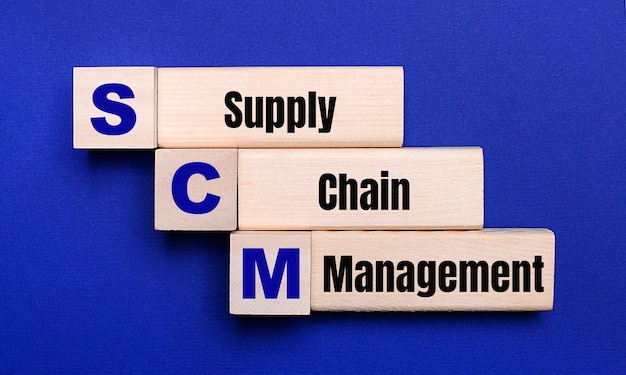
Logistics and supply chain management are closely related, but they are not the same thing. Supply chain management is the broader discipline. It covers sourcing, procurement, production planning, supplier coordination, logistics, inventory flow, and distribution strategy across the whole chain. Logistics is a subset of that bigger system.
Logistics focuses more specifically on the movement and storage of goods. That includes transportation, warehousing, inventory handling, shipping coordination, and order fulfillment. In ecommerce, logistics is the part customers feel most directly because it affects when and how their orders arrive.
| Area | Primary Focus | Ecommerce Relevance |
|---|---|---|
| Supply Chain Management | End-to-end coordination from sourcing to delivery | Broader strategic control of suppliers, production, stock, and distribution |
| Logistics | Movement, storage, and delivery of goods | Direct impact on fulfillment, shipping, warehousing, and customer delivery |
If you want the broader operational context, the strongest next supporting page in this silo is supply chain management.
What Are the Core Areas of Logistics Optimization?
Logistics optimization in ecommerce usually happens across several operational areas, not one isolated function. Businesses improve performance most effectively when they understand which part of the chain is actually creating the friction.
Inbound Logistics
Inbound logistics covers the movement of goods from suppliers into your own storage or fulfillment environment. This affects lead times, stock availability, purchase planning, and how early operational problems appear. Weak inbound logistics often causes downstream stock and fulfillment issues before the customer ever places an order.
Warehouse Logistics
Warehouse logistics focuses on how inventory is stored, located, picked, packed, and prepared for shipment. This area influences speed, accuracy, labor efficiency, and scalability. In many ecommerce businesses, warehouse design becomes a major leverage point once order volume rises.
Transportation and Shipping
Transportation and shipping determine how goods move between suppliers, warehouses, carriers, and customers. This affects shipping cost, delivery performance, and delivery promises. Where route planning, carrier selection, or shipping visibility become more complex, a transportation management system can become a valuable support layer.
Order Fulfillment and Delivery
This area covers the operational path from order placement to customer delivery. It includes stock allocation, picking, packing, dispatch, tracking, and handling service exceptions. Logistics optimization often becomes visible here first because this is where the customer directly feels operational quality.
Reverse Logistics
Reverse logistics includes returns, exchanges, damaged goods, recycling, and product flow back into the system. In ecommerce, this is especially important because return experiences influence trust, support load, and profitability.
How Do You Optimize Logistics in Ecommerce?
Logistics optimization usually improves through a mix of process changes, system improvements, better data, and stronger coordination across operations.
- Improve inventory visibility
Better stock accuracy helps reduce overselling, stockouts, and avoidable shipment delays. - Reduce warehouse friction
Better storage logic, picking flow, and handling processes often improve both speed and accuracy. - Optimize carrier and shipping decisions
Shipping cost and delivery experience improve when carrier choice and shipping rules are more intentional. - Use better routing and transportation logic
Operational clarity around delivery flow and transport planning helps reduce waste and delays. - Track the right metrics
Cost per order, order accuracy, shipping time, and return rate are more useful than vague impressions. - Strengthen coordination across systems
Logistics improves when inventory, fulfillment, transport, and reporting data are better connected.
Which Tools Support Logistics Optimization?
Ecommerce logistics usually becomes easier to improve when the business has software support for visibility, planning, and decision-making. The right tools depend on business complexity, but several categories are especially relevant.
- Logistics software for operational control and workflow visibility.
- Transportation management systems for routing, shipment planning, and carrier coordination.
- Warehouse-related systems for inventory handling and warehouse process control.
- Analytics tools for identifying cost drivers, delays, and recurring bottlenecks.
- Integrated ecommerce operations tools that connect inventory, orders, and shipping data.
If you want the most direct system-level continuation, go next to logistics software.
What Metrics Should You Track in Logistics Optimization?
Optimization becomes much more effective when logistics is measured consistently. Without metrics, businesses often react to symptoms rather than identifying the real operational problem.
| Metric | What It Helps Evaluate |
|---|---|
| Order Accuracy Rate | Whether customers receive the correct products as ordered |
| Average Fulfillment Time | How quickly orders move from placement to dispatch |
| Shipping Cost per Order | How efficiently transport costs are being controlled |
| Inventory Accuracy | Whether stock records reflect reality |
| On-Time Delivery Rate | Whether customer delivery expectations are being met |
| Return Rate | Whether fulfillment, product, or expectation problems are recurring |
Businesses that want to go deeper into the measurement layer should continue with logistics analytics.
What Common Challenges Affect Logistics Optimization?
Logistics optimization is difficult because it sits at the intersection of cost control, customer expectations, and operational variability. Ecommerce businesses often face multiple problems at the same time rather than one clean bottleneck.
Common challenges include:
- cost pressure from rising shipping, labor, or storage expenses,
- weak visibility across inventory, transport, or fulfillment processes,
- ecommerce delivery expectations that increase pressure for speed,
- compliance and documentation complexity across markets or carriers,
- warehouse inefficiency as product range and volume increase,
- global trade uncertainty that disrupts inbound and outbound flow.
These problems usually require more than one fix. Most often, they require a stronger logistics system rather than isolated firefighting.
How Do Third-Party Logistics and Freight Management Fit Into Optimization?
Many ecommerce businesses optimize logistics not only through internal systems, but by choosing better external partners. Third-party logistics providers, freight management structures, and specialized shipping partners can all improve efficiency when the in-house model starts becoming too expensive or too complex.
Third-party logistics can help businesses expand capacity, improve service coverage, and reduce internal operational burden. Freight management becomes more important when transport cost, routing complexity, and shipment control start affecting profitability more directly.
If partner models are the next question to solve, go next to third-party logistics.
What Trends Are Shaping Logistics Optimization?
Logistics optimization is increasingly shaped by automation, better analytics, stronger visibility tools, and growing pressure for more sustainable operations. Ecommerce growth has accelerated this shift because delivery expectations are rising while margins remain under pressure.
Important trends include:
- greater use of automation in logistics workflows,
- stronger analytics for forecasting and operational insight,
- more connected systems across inventory, transport, and reporting,
- sustainability pressure in transport and packaging decisions,
- real-time visibility as a baseline expectation rather than a premium capability.
As ecommerce operations become more demanding, businesses that treat logistics as a strategic capability rather than a support function will usually perform better over time.
Logistics Optimization Guides (Explore the Silo)
If you want to go deeper into specific logistics optimization topics, these supporting articles cover the most relevant subtopics within this hub:
- Core logistics and supply chain topics
- Transportation, freight, and shipping execution
- Warehouse, inbound flow, and analytics
Related Hubs (Fulfillment, Shipping & Inventory)
If you are working on broader ecommerce operations, these hubs connect directly to logistics optimization decisions:
- Logistics Partners & 3PL – partner selection directly affects logistics speed, capacity, and reliability.
- Shipping & Logistics – shipping structure, carrier choice, and delivery design strongly influence logistics performance.
- Order Fulfillment – fulfillment execution is one of the most visible outputs of logistics quality in ecommerce.
- Inventory Management – logistics optimization depends on stock accuracy, replenishment logic, and inventory visibility.
- Operational Efficiency – stronger logistics usually comes from cleaner workflows, better systems, and more disciplined operations.
- Ecommerce Solutions & Integrations – logistics improves when transport, inventory, and order systems exchange data more effectively.
FAQ
Q: What is Supply Chain Management?
A: Supply chain management is the broader coordination of sourcing, procurement, production, logistics, and distribution activities to improve efficiency and create value for customers.
Q: What is Logistics?
A: Logistics is the part of supply chain management focused on the movement, storage, and delivery of goods from origin to final use.
Q: What are the key differences between logistics and supply chain management?
A: Logistics focuses on product movement and storage, while supply chain management covers the broader end-to-end coordination of suppliers, operations, inventory, logistics, and distribution.
Q: Why is logistics important in supply chain management?
A: Logistics is crucial because it directly affects delivery performance, inventory flow, fulfillment quality, customer satisfaction, and operational cost efficiency.
Q: What are the main types of logistics?
A: The main types are inbound logistics, outbound logistics, and reverse logistics, each covering a different stage of product movement and operational handling.
Q: How does effective inventory management impact logistics performance?
A: Effective inventory management improves stock accuracy, reduces delays and shortages, supports smoother fulfillment, and helps control storage and transport-related inefficiencies.
Q: What are some challenges faced in logistics and supply chain management?
A: Common challenges include cost control, compliance, delivery pressure, visibility gaps, global trade disruptions, warehouse complexity, and the need to respond quickly to ecommerce demand.
Q: What emerging trends are shaping logistics and supply chain management?
A: Important trends include more automation, stronger analytics, better system integration, sustainability pressure, and rising demand for real-time visibility across operations.
Q: What career opportunities exist in logistics and supply chain management?
A: The field offers roles across warehousing, transport, freight, procurement, analytics, fulfillment, and supply chain operations, ranging from entry-level coordination to strategic leadership positions.