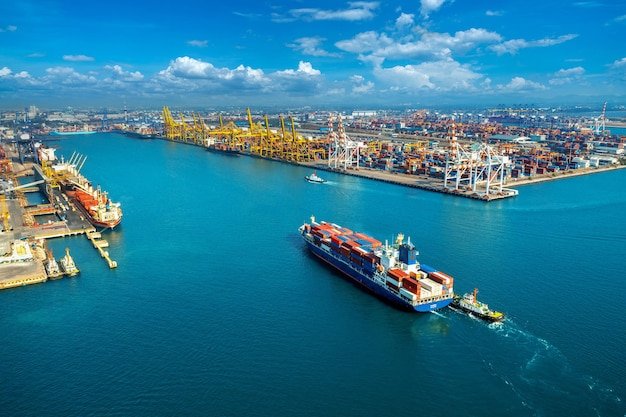
Is your ecommerce business struggling with shipping delays, rising delivery costs, or inconsistent customer experiences after checkout? In today’s fast-moving e-commerce landscape, shipping and logistics are no longer back-office functions. They directly affect operational efficiency, delivery reliability, customer satisfaction, and repeat purchase behavior.
For online stores, shipping logistics is the system that connects inventory, warehousing, order processing, transportation, and final delivery. When it works well, products move through the supply chain smoothly and customers receive orders on time with clear tracking and fewer issues. When it breaks down, the consequences often include higher costs, slower fulfillment, more customer service pressure, and weaker brand trust.
This guide explains what shipping logistics means in ecommerce, how it differs from logistics as a broader discipline, which types of shipping logistics matter most, what challenges businesses face, how to optimize performance, and what future trends are reshaping the shipping environment.
What Does Shipping Logistics Mean?
Shipping logistics refers to the coordinated process of moving finished goods through the supply chain efficiently, accurately, and cost-effectively. In e-commerce, it includes the systems, decisions, and workflows required to move products from suppliers or warehouses to fulfillment locations and finally to the customer.
Shipping logistics usually includes several core components:
- First-Mile Delivery: The initial movement of goods from the manufacturer or supplier to a warehouse, fulfillment center, or distribution point.
- Drayage: Short-distance transport, often linked to ports, rail terminals, or intermodal handoffs between transportation modes.
- End Customer Shipments: The final movement of products to the customer, often called last-mile delivery, which has a major impact on customer satisfaction.
In ecommerce, effective shipping logistics helps businesses control shipping costs, improve delivery speed, optimize stock movement, and support stronger customer experiences. It also plays an important role in broader supply chain performance by connecting inventory placement, warehousing decisions, and carrier operations.
Why Shipping Logistics Matters in Ecommerce
Shipping logistics matters because it directly influences whether ecommerce businesses can deliver on their promises. Customers do not only care about the product itself. They also care about delivery speed, shipping transparency, package condition, return convenience, and whether the overall experience feels reliable.
Strong shipping logistics helps businesses reduce delays, improve order visibility, and maintain service quality even during higher demand periods. It also supports cost control by improving route choices, inventory positioning, warehouse coordination, and carrier selection. For many online stores, shipping performance becomes a real competitive differentiator because it shapes both customer trust and post-purchase satisfaction.
What Is the Difference Between Shipping and Logistics?
Shipping and logistics are closely connected, but they are not the same. Shipping focuses on the transportation of goods from one location to another. It involves activities such as choosing carriers, planning delivery timelines, preparing parcels, labeling shipments, and managing the movement of packages through delivery networks.
Logistics is broader. It includes the planning, execution, coordination, and control of how goods move and are stored across the supply chain. That means logistics covers shipping, but also extends to inventory management, warehousing, order fulfillment, supplier coordination, documentation, and compliance.
- Shipping: Focused on transporting goods and managing delivery execution.
- Logistics: Covers the wider supply chain system, including shipping, storage, inventory, and operational coordination.
Understanding this distinction helps ecommerce businesses make better operational decisions, because many shipping problems are actually rooted in broader logistics issues such as stock placement, warehouse delays, or weak coordination across systems.
How Shipping Logistics Works in Ecommerce
In ecommerce, shipping logistics works as a chain of connected steps that begin before the parcel is shipped and continue after the order is delivered. Goods first move from suppliers or manufacturers into storage or fulfillment locations. Once an order is placed, the system must confirm stock availability, pick and pack the items, assign the shipment to the right delivery option, hand the parcel to a carrier, and keep the customer informed through tracking and delivery updates.
This process becomes more efficient when storage, transport, and order operations are coordinated through strong warehousing services that reduce handling friction and improve shipment readiness.
Types of Shipping Logistics
The main types of shipping logistics include inbound logistics, outbound logistics, and reverse logistics. Each serves a different function in the ecommerce supply chain and affects different parts of the customer and operational experience.
Inbound Logistics
Inbound logistics refers to the movement of goods from suppliers to warehouses, fulfillment centers, or storage locations. This phase includes order placement, supplier coordination, scheduling deliveries, receiving goods, and confirming that incoming stock meets quality and quantity expectations.
Key activities within inbound logistics include:
- Supplier Coordination: Working with suppliers to maintain reliable delivery schedules and stock availability.
- Receiving and Inspection: Checking incoming products for quality, damage, and count accuracy.
- Storage Management: Organizing stock in a way that supports accessibility, turnover, and warehouse efficiency.
Outbound Logistics
Outbound logistics covers the movement of products from fulfillment centers to end customers. In e-commerce, this stage is one of the most visible parts of the entire supply chain because it directly affects delivery speed, tracking, shipping reliability, and customer satisfaction.
Key outbound logistics functions include:
- Order Fulfillment: Picking, packing, and preparing orders quickly and accurately.
- Shipping Coordination: Assigning shipments to the right carrier and service level.
- Tracking Shipments: Providing visibility to both the business and the customer throughout delivery.
Businesses that need a deeper operational view of outsourced outbound execution can also explore 3PL fulfillment as a model for scaling shipping operations.
Reverse Logistics
Reverse logistics includes the processes related to returns, exchanges, inspection, product recovery, refurbishment, and, in some cases, resale. For ecommerce businesses, this part of shipping logistics is especially important because customers increasingly expect returns to be clear, fast, and low-friction.
Efficient reverse logistics helps reduce losses, improve customer trust, and recover more value from returned products. It also strengthens the post-purchase experience when issues occur.
Core reverse logistics activities include:
- Return Processing: Managing return requests, shipment coordination, and receipt of returned items.
- Refurbishment and Resale: Evaluating which returned products can be repaired, restocked, or resold.
- Customer Communication: Keeping customers informed throughout the return and refund process.
The Importance of Shipping Logistics and Its Challenges
The importance of shipping logistics lies in its direct effect on both customer satisfaction and operational efficiency. A smooth delivery experience helps build trust, while late shipments, unclear tracking, or poor return handling can weaken customer loyalty and create additional support costs.
At the same time, shipping logistics is one of the more difficult areas to manage because businesses face a range of operational challenges, including:
- Rising Shipping Costs: Fuel prices, packaging costs, and carrier rate changes can place pressure on margins.
- Demand Fluctuations: Sudden spikes or drops in demand can cause delivery slowdowns, stock imbalances, or inefficient shipping patterns.
- Inventory Positioning Problems: Stock held in the wrong location can increase delivery times and raise shipping costs.
- Carrier Performance Variation: Different carriers may offer different strengths in speed, geography, reliability, and service consistency.
- Returns Complexity: Reverse logistics often introduces additional costs, delays, and process friction if not structured well.
These challenges show that shipping logistics is not just about moving boxes. It is about managing cost, service level, speed, visibility, and customer expectations as one connected system.
How to Optimize Your Shipping Logistics
Optimizing shipping logistics requires improvements across inventory placement, order flow, warehousing, carrier selection, and operational visibility. Businesses that treat shipping as a coordinated system rather than an isolated cost center usually achieve better performance over time.
Distribute Your Inventory
Strategically distributing inventory across multiple fulfillment points can reduce shipping distance, delivery time, and overall transportation cost. Stock that is positioned closer to customers allows businesses to offer faster and more reliable delivery options while lowering the cost of long-distance shipments.
Automate Your Order Management
Automation helps businesses track inventory, orders, and shipment status in real time, reducing errors and improving internal coordination. Stronger visibility makes it easier to respond to demand changes and maintain smoother communication across departments.
Implement a Warehouse Management System (WMS)
A Warehouse Management System can improve picking, packing, stock visibility, and workflow accuracy. By organizing warehouse tasks and improving control over inventory movement, a WMS supports faster dispatch and more reliable shipping operations.
Choose the Right Carrier
Selecting the right carrier requires evaluating service coverage, speed, reliability, pricing, and the delivery experience customers actually receive. Different carriers may perform better in different geographies or shipment types, which is why shipping strategy should align with both business needs and customer expectations.
For businesses comparing broader partner models rather than a single carrier relationship, working with third-party logistics providers can offer more flexibility across storage, routing, and multi-carrier coordination.
Shipping Logistics Technology and Innovation
Technology is changing how ecommerce businesses manage shipping speed, visibility, routing, and operational decisions. Real-time data, connected systems, and automation tools help businesses reduce manual work while improving order visibility and logistics responsiveness.
Some of the most important innovations in shipping logistics include:
- AI and Machine Learning: Used to analyze shipping patterns, improve forecasting, and support route or inventory decisions.
- Warehouse Automation: Robotics and automated sorting help increase throughput and reduce manual handling errors.
- Tracking Technology: More advanced tracking systems improve shipment visibility and customer communication.
- Blockchain and Supply Chain Transparency: These tools can improve traceability and data confidence across complex logistics networks.
- Sustainability-Focused Shipping: Electric vehicles, more efficient packaging, and route optimization help support lower-impact logistics operations.
For ecommerce businesses managing larger networks, more advanced global logistics capabilities become increasingly important when shipping beyond domestic markets.
The Future of Shipping Logistics
The future of shipping logistics is being shaped by faster delivery expectations, greater operational complexity, and stronger pressure for cost efficiency. As e-commerce continues to grow, businesses are investing in more flexible fulfillment models, on-demand logistics, local inventory placement, and last-mile delivery improvements.
One of the clearest trends is the rise of more distributed logistics networks. Instead of relying on one central location, businesses increasingly use multiple fulfillment and warehousing points to shorten transit time and increase resilience. Local fulfillment and last-mile optimization are becoming more important as customer expectations continue to rise.
At the same time, sustainability is likely to play a larger role in shipping decisions. Consumers and businesses alike are paying more attention to packaging efficiency, transport emissions, and greener delivery options. Shipping logistics strategies that balance speed, cost, and sustainability will likely become more important over time.
Key Shipping Logistics Metrics
To improve shipping logistics in a measurable way, ecommerce businesses need to track the right operational indicators. Metrics help teams identify where delays, unnecessary costs, and service issues are being created.
- On-Time Delivery Rate: Measures how often orders arrive within the promised delivery window.
- Shipping Cost per Order: Helps assess the financial efficiency of shipping operations.
- Transit Time: Tracks how long shipments take to move from dispatch to delivery.
- Order Accuracy Rate: Shows how often the correct items are shipped without fulfillment error.
- Delivery Exception Rate: Measures how frequently shipments are delayed, lost, damaged, or otherwise interrupted.
- Return Rate: Indicates how often orders come back and may highlight issues in shipping, product fit, or customer expectations.
Monitoring these KPIs regularly helps ecommerce businesses improve carrier choices, warehouse decisions, inventory placement, and customer communication.
Shipping & Logistics Guides (Explore the Silo)
If you want to go deeper into specific shipping and logistics topics, these supporting articles cover the most relevant subtopics within this hub:
- 3PL and fulfillment models
- Warehousing and storage support
- International and broader logistics scope
Related Hubs (Operations, Fulfillment & Cross-Border)
If you are working on broader ecommerce operations, these hubs connect directly to shipping and logistics decisions:
- Inventory Management – stock positioning and replenishment directly affect shipping speed, cost, and warehouse efficiency.
- Order Fulfillment – shipping logistics is a core part of fulfillment performance and post-purchase customer satisfaction.
- Logistics Partners – partner selection influences 3PL structure, warehousing options, and carrier coordination.
- Logistics Optimization – routing, process design, and analytics help improve shipping efficiency and reduce delays.
- International Shipping – cross-border delivery introduces added complexity in documentation, cost, transit time, and customs handling.
- Return Policy – clear return rules and customer communication affect reverse logistics and the full delivery experience.
Shipping Logistics FAQs
What is shipping logistics?
Shipping logistics refers to the processes used to move goods from their point of origin to warehouses, fulfillment centers, and ultimately to customers. In ecommerce, it includes transportation, inventory coordination, order preparation, and delivery execution.
What is the difference between shipping and logistics?
Shipping focuses on the movement and delivery of goods, while logistics includes the broader planning and coordination of supply chain activities such as warehousing, inventory management, and operational control.
What are the main types of shipping logistics?
The main types are inbound logistics, outbound logistics, and reverse logistics. Together, they cover supplier deliveries, customer shipments, and returns handling.
Why is shipping logistics important?
Shipping logistics is important because it affects delivery speed, reliability, cost control, customer satisfaction, and the overall performance of ecommerce operations.
How can I optimize my shipping logistics?
Businesses can optimize shipping logistics by distributing inventory more strategically, automating order management, improving warehouse operations, choosing carriers more carefully, and tracking performance metrics consistently.
How important is technology in shipping logistics?
Technology is highly important because it improves tracking, forecasting, routing, warehouse efficiency, and visibility across the shipping process. It also helps ecommerce businesses reduce manual error and respond faster to operational issues.
What metrics should I track in shipping logistics?
Important metrics include on-time delivery rate, shipping cost per order, transit time, order accuracy rate, delivery exception rate, and return rate.