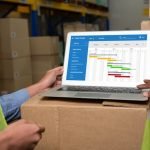
Are you still relying on outdated methods to manage your logistics?
It might be time for a change.
Logistics software solutions are revolutionizing the way businesses operate by enhancing efficiency and boosting customer satisfaction.
With features like automation, real-time tracking, and seamless data management, these tools are designed to reduce manual errors and streamline your operations.
In this post, we’ll dive into the essential capabilities of logistics software and explore how adopting the right solution can transform your business for the better.
Key Features of Logistics Software Solutions
Logistics software solutions incorporate several core features designed to enhance operational efficiency and improve customer satisfaction.
Automation is a fundamental aspect of these solutions. It streamlines critical tasks such as filings, forms, tracking, and customer communications. This automation significantly reduces manual errors and busywork, allowing teams to focus on strategic activities.
Real-time visibility is crucial for effective logistics management. These solutions provide continuous updates on inventory and shipment status, enabling organizations to monitor operations closely. This feature enhances collaboration among stakeholders, fostering a proactive approach to issue resolution and decision-making.
Data management capabilities are essential for logistics optimization. Robust software solutions prioritize efficient data handling, allowing for the seamless integration of various logistics transactions. This reduces the chances of data discrepancies and fosters a transparent environment conducive to data-driven insights.
Additional features often include:
- Customizable dashboards for managing workflows
- Advanced reporting tools for performance evaluation
- Inventory tracking and forecasting capabilities
- Compliance management modules for regulatory adherence
- Integration with third-party systems for enhanced functionality
These logistics software features collectively contribute to a cohesive infrastructure that optimizes logistics operations, streamlines processes, and fortifies customer relationships. By leveraging these functionalities, businesses can position themselves for growth and enhanced service delivery in the competitive logistics landscape.
Benefits of Using Logistics Software Solutions
Implementing logistics software solutions offers essential benefits that directly impact efficiency and customer satisfaction.
Organizations leveraging logistics software report significant improvements in operational efficiency. Features such as real-time tracking allow businesses to monitor shipments, reducing delays and providing transparency to customers. For instance, a small logistics company shared in their logistics software reviews that, after adopting a robust system, they reduced delivery time by 30%, leading to enhanced customer relationships and repeat business.
Cost reductions are another major advantage. Automation tools within logistics software minimize manual handling errors, thus avoiding costly mistakes. A medium-sized transport company documented annual savings of over $50,000 after implementing logistics software that automated invoicing and inventory management. This financial relief allowed them to reallocate funds toward growth initiatives.
Centralized data management plays a pivotal role in decision-making. By integrating various supply chain processes into one platform, organizations gain a comprehensive view of their operations. This capability empowers small businesses to make informed choices quickly, adapting to market changes effectively. One user reported, “With our logistics software, I’ve streamlined order fulfillment and reallocation of resources, fulfilling customer demands with greater agility.”
Additional benefits include enhanced customer experiences. Logistics software facilitates better communication between businesses and clients, allowing for timely updates on orders and efficient handling of inquiries. Feedback from a shipping provider highlighted that by utilizing digital customer experience software, they improved their customer satisfaction scores by 25% since clients could easily track their shipments online.
Overall, the advantages of using logistics software solutions are clear—improved efficiency, cost savings, and heightened ability to meet customer demands make investing in logistics software for small businesses and larger enterprises a strategic move in today’s competitive market.
Comparing Top Logistics Software Solutions
When evaluating top logistics software solutions, it’s essential to assess several key factors to ensure alignment with your business needs.
First, consider the features offered by each logistics software company. Solutions may range from freight management and warehouse optimization to eCommerce integrations and customer relationship management.
Next, pricing structures vary widely. Some vendors offer subscription-based models, while others may charge per transaction or include hidden fees. Understanding your budget and the total cost of ownership is crucial for long-term planning.
Deployment options are another important aspect. Some logistics software can be deployed on-premises, while others are available via the cloud. Cloud-based solutions often provide easier updates and accessibility, which may be beneficial for eCommerce businesses that require flexibility.
Finally, evaluate the technical support provided by the vendors. Reliable support is essential for quick issue resolution, especially in logistics where time is critical.
Here’s a simple comparison table to illustrate these aspects:
| Vendor | Key Features | Pricing Model | Deployment Options | Support Options |
|---|---|---|---|---|
| Magaya | Freight management, CRM, warehouse operations | Subscription-based | Cloud | 24/7 customer support |
| Infor | Transportation management, supply chain visibility | Transaction-based | Cloud & on-premises | Standard business hours support |
| McLeod | Fleet management, brokerage solutions | Subscription | Cloud | Personalized technical assistance |
Implementation Strategies for Logistics Software Solutions
Successful logistics software implementation hinges on strategic planning and integration of existing systems while engaging employees throughout the process.
Key steps include:
-
Assess Current Systems
Identify existing software and workflows.
Ensure compatibility with the new logistics software.
-
Define Clear Objectives
Establish specific goals for the implementation of logistics software solutions.
Metrics can include improved efficiency, reduced costs, or enhanced customer service.
-
Choose the Right Integration Approach
Utilize a phased approach to roll out the software.
Begin with critical functionalities and gradually integrate additional features.
-
Involve Key Stakeholders
Engage employees from different departments to gather insights.
Their input can provide valuable perspectives on integration and training needs.
-
Provide Comprehensive Training
Implement tailored training sessions for users across various roles.
Focus on practical use cases to improve comfort with the new system.
-
Establish Change Management Practices
Prepare the organization for transitions by fostering a culture that welcomes change.
Regular feedback loops can help address concerns and improve buy-in.
-
Monitor and Iterate
Post-implementation, gather user feedback to continuously refine the system.
Adjust features or processes to align better with day-to-day operations.
By prioritizing thoughtful logistics software integration and addressing user needs, companies can enhance adoption rates and operational efficiency. Implementing SaaS logistics solutions requires ongoing commitment from all levels, ensuring long-term success.
The Future Trends in Logistics Software Solutions
Emerging trends in logistics software are set to revolutionize operations through the integration of advanced technologies.
AI-driven logistics software will play a critical role in analytics, enhancing inventory management and forecasting. By processing vast amounts of data, these systems can provide real-time insights, enabling organizations to make informed decisions swiftly.
Increased logistics automation software is driving efficiency, minimizing human error and reducing operational costs. Automation in tasks such as order processing, tracking, and even customer communications allows companies to streamline their workflows significantly.
Mobile logistics capabilities are becoming essential as a growing number of logistics professionals rely on mobile devices. This shift enables on-the-go access to vital information, improving responsiveness and communication among stakeholders.
Enhanced supply chain visibility is increasingly important; more robust software solutions will integrate various technologies for tracking shipments and inventory levels. This transparency fosters trust and helps businesses promptly address potential delays or disruptions.
As these trends continue to evolve, logistics organizations that embrace AI, automation, and mobile innovations will be better equipped to adapt to market changes while optimizing their operations effectively.
With these advancements, the future of logistics software solutions looks promising, paving the way for greater efficiency and customer satisfaction.
Streamlining processes and enhancing efficiency are essential in today’s fast-paced business environment.
The blog post explored various benefits of logistics software solutions, emphasizing how automation can reduce costs and improve accuracy.
By integrating real-time data and optimizing routes, companies can better meet customer demands and respond to market changes.
Embracing these technologies not only aids in operational precision but also positions businesses for future growth.
Adopting a robust logistics software solution ultimately paves the way for a more productive and successful organization.
FAQ
Q: What are the key benefits of Magaya’s logistics software?
A: Magaya’s logistics software enhances efficiency by automating tasks, improving customer experience, and providing real-time visibility, ultimately saving time and reducing operational costs.
Q: How does Infor’s CloudSuite WMS improve warehouse management?
A: Infor’s CloudSuite WMS optimizes distribution center activities through features like appointment scheduling and flow-through optimization, increasing operational efficiency and space utilization.
Q: What features does McLeod Software offer for truckload carriers?
A: McLeod Software provides automation for business processes, enhances driver retention, and optimizes operations for truckload carriers, aiming to improve customer service and efficiency.
Q: How do logistics software solutions enhance supply chain visibility?
A: These solutions offer real-time insights into inventory status and tracking, allowing organizations to proactively manage their supply chain and ensure cohesive operations across multiple stakeholders.
Q: What is the importance of Customs Compliance Software in logistics?
A: Customs Compliance Software ensures regulatory adherence by providing real-time visibility into duties and fees, streamlining the customs process and enhancing operational efficiency.
Q: How can logistics companies benefit from digitizing operations?
A: Digitizing operations helps logistics companies save time, reduce manual errors, cut costs, and improve customer experiences, supporting growth and overall efficiency.