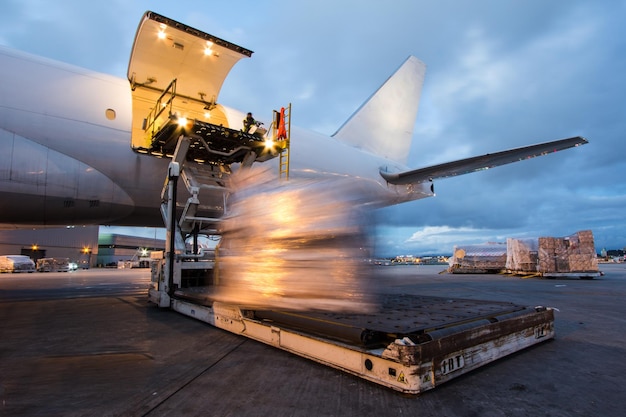
Ever wondered how businesses get their most valuable goods across the globe in just days? The answer lies in air freight services. These logistical powerhouses not only ensure speed but also offer unparalleled reliability for international shipping, making them a lifeline for high-value and time-sensitive products. Whether it’s electronics, pharmaceuticals, or even perishable goods, air freight services play a crucial role in the fast-paced world of global trade. In this article, we’ll delve into the ins and outs of air freight, highlighting why they’re essential for successful businesses today.
Understanding Air Freight Services
Air freight services are vital for companies that require fast and reliable shipping for their goods across international borders. These services support a wide range of shipment sizes and types, making them especially advantageous for high-value or time-sensitive items such as electronics, pharmaceuticals, and perishables. Typically, air freight services include express options that promise quick delivery, often within 1-3 days depending on the destination. According to the International Air Transport Association (IATA), the global air freight market is expected to grow by approximately 4.5% annually, emphasizing the increasing demand for fast logistics solutions. The logistics of air cargo encompass booking, packaging, transporting, and delivering goods, all while adhering to strict regulations for safety and compliance. Air freight logistics rely on a network of aircraft, airports, and ground transportation to ensure timely shipment. Forwarders play an essential role in this process, coordinating between shippers and carriers to manage all aspects of the shipping cycle. Once a shipment is booked, real-time tracking options may be offered, providing visibility from departure to arrival. In summary, air freight services are a critical component of global trade, with their capability to quickly move goods across vast distances, significantly enhancing supply chain efficiency. This speed and dependability make air freight an attractive option for companies seeking competitive advantages in a fast-paced market.
Benefits of Air Freight Services
The benefits of air freight services are numerous and distinct, making them a preferred choice for many businesses that require swift and reliable shipping options. One of the most significant advantages is speed. Air freight delivery services can transport goods internationally in a matter of days, often completing shipments within 1-3 days depending on the destination. This quick turnaround is essential for businesses dealing with time-sensitive items like electronics, pharmaceuticals, and perishable goods. Reduced transit times enable companies to respond faster to market demands, improving overall operational efficiency. Enhanced tracking capabilities are another critical benefit; air freight shipping services typically provide real-time tracking options, allowing businesses to monitor their shipments throughout the journey. This transparency is invaluable for logistics planning and customer satisfaction. In fact, according to a study conducted by the Council of Supply Chain Management Professionals (CSCMP), improved visibility through tracking can lead to a 10% reduction in logistics costs for companies. Air freight services also offer specialized handling options, particularly for perishables and hazardous materials. This ensures compliance with safety regulations and maintains the integrity of sensitive goods during transport. Pricing for air freight varies based on multiple factors, including weight, dimensions, and shipment urgency. Generally, air freight costs per kg range from $2 to $5. While this may seem higher compared to sea or ground transportation, the benefits of speed and increased reliability often justify the expense, especially for high-value items. In summary, the advantages of air freight services lie in their unparalleled speed, efficiency, and specialized capabilities, making them an indispensable part of global logistics for many businesses.
Air Freight Services and Logistics Process
The air freight logistics process encompasses essential steps that ensure the efficient movement of cargo. First, booking a shipment activates the process. This step often involves selecting the appropriate air freight forwarder services, who act as intermediaries in coordinating the shipment. Once booked, the cargo must go through customs clearance. This phase is critical, as it ensures compliance with international regulations and security checks. Air freight forwarders play a pivotal role here, managing paperwork and ensuring that all necessary documentation is in order. After clearing customs, the shipment is prepared for transport to the destination. This may involve packing and labeling, as well as arranging for transportation to the airport. Tracking is another key component of the air freight logistics process. Many companies offer air freight logistics tracking options that allow customers to monitor their shipment’s status in real-time. This transparency is vital for managing expectations and maintaining communication throughout the shipping timeline. Finally, the goods are delivered to the final destination, which may also include additional customs clearance if shipping to another country. Throughout this process, air freight forwarders ensure that logistics run smoothly, addressing any issues that may arise to facilitate timely delivery. The complexity of air freight logistics underscores the importance of choosing a reliable forwarder, as their expertise directly affects shipment success and compliance.
Comparing Air Freight Services with Other Shipping Options
Comparing air freight services with other shipping methods, such as sea and ground transport, highlights both advantages and disadvantages. Air freight is significantly faster, often completing shipments within 1-3 days, making it ideal for urgent or time-sensitive deliveries. Conversely, sea freight is more economical for bulk goods, typically taking several weeks for delivery. This makes sea freight a better option when cost is more critical than speed. Here are key points to consider in this comparison:
- Aspect
- Air Freight
- Sea Freight
- Ground Freight
- Speed
- Fast (1-3 days)
- Slow (weeks)
- Moderate (days)
- Cost
- Higher ($2-$5 per kg)
- Lower (volume-dependent)
- Moderate
- Ideal for
- Urgent, high-value goods
- Bulk shipments, non-perishables
- Local deliveries, less urgent
- Tracking
- Enhanced tracking capabilities
- Limited tracking
- Varies by provider
- Environmental Impact
- Higher carbon emissions
- Lower emissions
- Moderate emissions
Air freight is particularly beneficial for shipping high-value or perishable items, such as electronics and pharmaceuticals, where timely delivery is crucial. On the other hand, it may not be suitable for lower-value or bulk shipments due to the higher cost per kilogram. In summary, while air freight excels in speed and reliability, it comes at a premium price. Understanding these distinctions can help businesses choose the most appropriate shipping method based on their unique logistics needs.
Frequently Asked Questions about Air Freight Services
Common inquiries about air freight services revolve around tracking shipments, understanding shipping requirements, and evaluating costs.
1. How can I track my air freight shipment?
Air freight services offer various tracking options to keep you informed about your shipment’s status. Many logistics companies provide online tracking tools that update in real-time, allowing you to monitor your cargo from departure to delivery. You can also receive notifications via email or SMS about your shipment’s progress.
2. What are the shipping requirements for air freight?
Shipping requirements can vary depending on the cargo type. Generally, you will need to prepare specific documentation, such as a bill of lading, commercial invoice, and, if necessary, customs declarations. It’s crucial to understand and comply with regulations for restricted and hazardous materials as well.
3. What costs are associated with using air freight services?
Air freight costs depend on factors like weight, volume, and distance. You might incur additional charges for customs clearance, handling fees, and optional services like insurance. Pricing typically ranges from $2 to $5 per kilogram. According to the World Bank, air freight rates are significantly higher than sea transport, but the trade-off is faster delivery times, essential for sensitive shipments.
4. Which logistics companies offer air freight services?
Several logistics companies specialize in air freight, each providing unique services. Renowned providers often ensure features like door-to-door delivery, refrigerated options for perishables, and customs brokerage. Depending on your specific needs, it’s essential to compare providers to identify the best fit.
Understanding these FAQs can guide you through the complexities of air freight and optimize your shipping experience. Air freight services play a crucial role in international logistics, offering speed and reliability for urgent shipments. By understanding their workings and benefits, companies can effectively manage high-value or time-sensitive deliveries, from electronics to perishables. The logistics process, aided by skilled air freight forwarders, ensures a seamless flow from booking to final delivery. When compared to other shipping methods, air freight stands out for quick transit, albeit at higher costs. Embracing air freight services can positively impact business efficiency and customer satisfaction.
FAQ
Q: What are air freight services?
A: Air freight services involve the fast and efficient transportation of goods via aircraft, catering to businesses requiring quick international shipping solutions.
Q: What are the benefits of using air freight?
A: Benefits of air freight include speed, reduced transit times, enhanced tracking, and specialized handling for sensitive cargo, such as perishables or hazardous materials.
Q: How does air freight work?
A: Air freight works by booking shipments through providers, which handle logistics, customs clearance, and delivery to ensure timely arrival at the destination.
Q: How does air freight compare to other shipping methods?
A: Air freight is faster but generally more expensive than sea freight, making it ideal for urgent deliveries, while sea freight is economical for larger shipments but slower.
Q: What factors influence air freight pricing?
A: Air freight pricing is influenced by weight, dimensions, and urgency, typically ranging from $2 to $5 per kilogram, depending on these variables.
Q: What are the steps in the air freight logistics process?
A: Key steps in air freight logistics include booking the shipment, customs clearance, and final delivery, often facilitated by air freight forwarders for compliance and tracking.
Q: How can I track my air freight shipment?
A: Many air freight providers offer real-time tracking options, allowing customers to monitor the status and location of their shipments throughout the shipping process.
Q: What are the shipping requirements for air freight?
A: Shipping requirements for air freight include proper packaging, labeling, customs documentation, and adherence to regulations regarding prohibited or restricted items.