
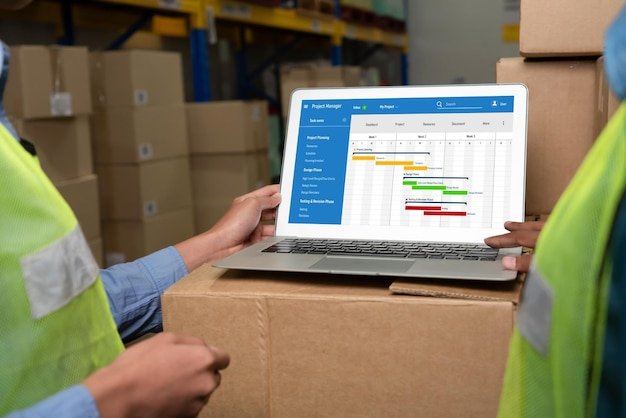
Are you still managing your logistics with outdated methods?
In today’s fast-paced world, effective logistics management isn’t just a nice-to-have—it’s essential for staying competitive.
By streamlining the flow of goods and information, businesses can not only enhance efficiency but also cut costs significantly.
With the global logistics market projected to soar to trillions, it’s clear that mastering this discipline can be a game-changer for your company’s bottom line.
Dive in to discover how proper logistics management can revolutionize your operations and boost your success.
Logistics Management: Definition and Overview
Logistics management encompasses the planning, implementation, and control of the flow and storage of goods, services, and information across the entire supply chain.
The core principles of logistics management include efficient transportation, proper inventory handling, effective warehousing, and timely delivery of products.
These elements work in tandem to ensure that products are delivered to customers at the right place, time, and cost, which is critical for business success.
Effective logistics management can significantly reduce operational costs, enhance efficiency, and improve customer satisfaction. This efficiency can lead to operational cost reductions of up to 20%, making logistics management a vital component in maintaining competitiveness in a global market.
The global logistics market was valued at approximately $8.1 trillion in 2020. This remarkable figure underscores the importance of logistics in modern economies.
As e-commerce and globalization continue to drive growth, businesses are increasingly looking for ways to streamline their logistics operations.
Examples of logistics management in action include:
-
A retailer using advanced supply chain software to optimize inventory levels and reduce stockouts.
-
A manufacturer implementing just-in-time delivery to minimize warehouse costs and enhance production efficiency.
-
A delivery service utilizing real-time tracking to improve customer experience and satisfaction.
These examples illustrate how logistics management plays a critical role in ensuring efficient and effective business operations, proving its importance in today’s fast-paced market landscape.
Key Components of Logistics Management
Key components of logistics management play a vital role in ensuring the efficient flow of goods throughout the supply chain. Each component is interdependent, requiring strategic coordination to optimize operations and meet customer demands.
Transportation is crucial as it involves moving goods from one location to another, impacting shipping costs and delivery timelines. Cost-effective modes of transportation and real-time tracking help ensure timely acquisitions and customer satisfaction.
Warehousing provides storage solutions for goods before they reach consumers. Effective space management and the use of automated systems can boost storage efficiency, minimizing handling times and enhancing inventory accuracy.
Inventory management focuses on maintaining optimal stock levels. It ensures that products are available to meet demand while avoiding excess that can lead to increased carrying costs. Techniques such as just-in-time inventory are frequently deployed to achieve a balance.
Order fulfillment encompasses the processes involved in collecting, packing, and shipping orders to customers. Efficient order fulfillment is essential for customer retention and satisfaction, which is why it is closely linked to inventory management and warehousing.
Supply chain management integrates all the above components, ensuring seamless connectivity between suppliers, manufacturers, warehouses, and customers. Effective supply chain management optimizes logistics management by streamlining operations and enhancing responsiveness to market changes.
Recent technological advancements such as AI and IoT are reshaping logistics management by introducing smart systems that enhance efficiency and provide better data analytics. These technologies improve tracking, facilitate real-time inventory updates, and help identify potential bottlenecks proactively.
As companies continue to embrace these components of logistics management, the focus remains on creating a cohesive supply chain that is not only efficient but also adaptable to changing consumer demands and market conditions.
Types of Logistics Management
Logistics management encompasses several key types, critical for optimizing supply chain logistics management. Understanding these types helps managers implement appropriate strategies.
1. Inbound Logistics
Inbound logistics refers to the transportation, storage, and handling of materials coming into a business. This type ensures that raw materials and components are received efficiently, facilitating smooth production processes. Effective inbound logistics management minimizes delays, reduces costs, and enhances inventory control.
2. Outbound Logistics
Outbound logistics focuses on the distribution of finished products to customers. This includes the processes of order fulfillment, warehousing, and shipping. Efficient outbound logistics is crucial for maintaining customer satisfaction, ensuring timely delivery, and optimizing shipping costs.
3. Reverse Logistics
Reverse logistics manages the return of products for various reasons, such as defects or excess stock. This type plays a vital role in managing returns and refurbishing processes. A well-designed reverse logistics system can recover value from returned goods and reduce waste, contributing to sustainability efforts.
4. Third-Party Logistics (3PL)
Third-party logistics providers offer outsourced logistics services, including transportation, warehousing, and distribution. Businesses often leverage 3PL to enhance efficiency, reduce overhead costs, and focus on core competencies while outsourcing logistics management jobs to specialized firms.
5. Integrated Logistics
Integrated logistics brings together multiple logistics functions to create a seamless process from sourcing to delivery. This holistic approach fosters collaboration among various supply chain partners, improving response times, lowering costs, and increasing overall efficiency.
Understanding these types of logistics management is critical for ensuring efficient operations throughout the supply chain. Each type contributes uniquely to a company’s ability to meet customer needs, manage costs, and maintain competitiveness in the market.
Challenges in Logistics Management
Logistics management faces multiple challenges that can impact operational efficiency and service delivery.
Common challenges include:
-
Fluctuating fuel prices: The volatility of fuel costs can significantly erode profit margins for logistics companies, necessitating dynamic pricing strategies and cost management practices.
-
Capacity constraints: With rising demand, many logistics providers encounter limitations in transport availability, leading to delays and inefficiencies. Managing capacity effectively is crucial, especially during peak seasons.
-
Regulatory compliance: Adhering to varying regulations across regions can pose logistical difficulties. Companies must navigate complex legal frameworks that can affect shipping routes, costs, and delivery timelines.
-
Effective communication: Poor communication within the supply chain can result in delays, misunderstandings, and inefficiencies. Maintaining clear lines of communication among suppliers, carriers, and customers is essential for smooth operations.
Emerging trends are shaping the logistics landscape to address these challenges effectively.
Trends include:
-
Sustainable practices: There is a growing emphasis on eco-friendly logistics solutions. Companies are adopting greener practices, such as optimizing routes to reduce carbon footprints and investing in electric or hybrid fleets.
-
Technology integration: The incorporation of advanced technologies like AI, IoT, and blockchain enhances visibility and transparency in logistics management. These solutions facilitate real-time tracking and data sharing, improving decision-making processes.
-
Data-driven logistics performance measurement: Organizations are increasingly relying on data analytics to assess their logistics performance. This focus enables better identification of bottlenecks and inefficiencies, leading to informed adjustments in operations.
-
Last-mile delivery innovations: The rise of e-commerce has catalyzed new approaches to last-mile delivery, including autonomous vehicles and crowdsourcing to enhance speed and customer satisfaction.
Addressing these challenges through innovative trends can lead to more resilient and efficient logistics management practices.
Benefits of Effective Logistics Management
Effective logistics management offers several substantial benefits that can significantly impact a business’s overall performance. The following are prominent advantages:
-
Improved Customer Experience: Efficient logistics management ensures timely delivery and accurate order fulfillment, directly enhancing customer satisfaction and trust. Companies often achieve a higher retention rate due to reliable logistics.
-
Optimized Operational Costs: Organizations can reduce operational costs by up to 20% through streamlined logistics processes. This improvement stems from effective transportation management, better inventory handling, and reducing waste.
-
Increased Profitability: A well-managed logistics system allows companies to enhance their productivity and efficiency, leading to higher profit margins. Lower costs combined with better service can significantly elevate revenue.
-
Enhanced Delivery Productivity and Efficiency: Companies that invest in logistics technology and skilled labor see significant improvements in delivery speed and accuracy. This efficiency translates to better resource management and cost savings in the long term.
-
Strategic Asset Utilization: Effective logistics planning focuses on utilizing resources optimally, leading to reduced overhead costs and improved asset management. This advantage positions companies to respond quickly to market demands and shifts in consumer behavior.
Quantitative evidence supports these claims; organizations embracing effective logistics management often enjoy a clear competitive edge in their markets. The importance of logistics in fostering business success cannot be overstated, as it ultimately ties directly back to customer experiences and financial outcomes.
In summary, the impact of effective logistics management is profound, promoting efficiency and driving profitability while fostering customer loyalty.
Careers in Logistics Management
Careers in logistics management offer a diverse range of opportunities, spanning various levels and specializations. Entry-level positions such as logistics coordinators and warehouse associates can lead to more advanced roles like logistics analysts and logistics managers.
With the increasing complexity of supply chains, logistics management jobs are growing rapidly across industries, with roles available in transportation, warehousing, inventory control, and supply chain planning.
Educational requirements are often pivotal in securing these roles. A logistics management degree—typically offered at both bachelor’s and master’s levels—provides foundational knowledge necessary for various positions. Additionally, certifications such as Certified Supply Chain Professional (CSCP) or Certified in Logistics, Transportation, and Distribution (CLTD) enhance employability and are valued by employers.
Essential skills for success in this field are critical in navigating logistics challenges.
Here are some key logistical manager skills:
-
Problem-solving: Developing solutions for complex logistical issues.
-
Analytical thinking: Analyzing data to optimize processes and make informed decisions.
-
Knowledge of logistics software: Proficiency in tools like warehouse management systems (WMS) and transportation management systems (TMS).
-
Communication skills: Coordinating with various vendors, suppliers, and internal teams.
-
Project management: Overseeing logistics projects from inception to completion.
As logistics continues to evolve, those equipped with relevant degrees and strong skills will find numerous opportunities for advancement and professional development. With competitive salaries and the potential for growth, logistics management remains an appealing career choice for many.
Understanding the intricacies of logistics management is crucial for optimizing supply chains and enhancing operational efficiency.
By examining key components such as inventory control, transportation, and technology integration, organizations can achieve smoother processes and reduced costs.
These strategies not only improve service delivery but also foster a more agile response to market changes.
Embracing effective logistics management paves the way for sustainable growth, ensuring businesses remain competitive in a dynamic landscape.
With the right approach, logistics can transform challenges into opportunities for success.
FAQ
Q: What is logistics management?
A: Logistics management involves planning, implementing, and controlling the flow and storage of goods, services, and information from origin to consumption, emphasizing efficiency and cost-effectiveness.
Q: What are the key functions of logistics management?
A: The seven essential functions are order processing, product and material handling, inventory control, storage and warehouse logistics, transportation and delivery management, product packaging, and supply chain data monitoring.
Q: What are the major components of logistics management?
A: Major components include inventory planning, inbound and outbound logistics, fleet management, warehousing, delivery fulfillment, and demand planning, each ensuring efficient operations.
Q: How does effective logistics management benefit businesses?
A: Effective logistics management improves customer experience, reduces operational costs, boosts profitability, and enhances delivery productivity and efficiency.
Q: What types of logistics management are there?
A: Types include supply management, distribution and material handling, product management, customer service management, and returns management, each addressing specific supply chain needs.
Q: How can technology enhance logistics management?
A: Automation and advanced technologies such as AI and IoT improve accuracy, reduce manual tasks, and drive operational excellence, leading to significant time and cost savings.
Q: Why is sustainability important in logistics management?
A: Sustainability in logistics minimizes the carbon footprint by utilizing eco-friendly practices and technologies like route optimization, addressing growing environmental concerns.
Q: What are best practices for handling disruptions in logistics management?
A: Best practices include leveraging crowdsourcing, adopting contactless options, maintaining contingency plans, and investing in new technologies for agility and efficiency.