
Are you still relying on scattered customer data to inform your marketing strategies?
If so, you’re missing out on a game-changer in boosting customer engagement: the Customer Data Platform (CDP).
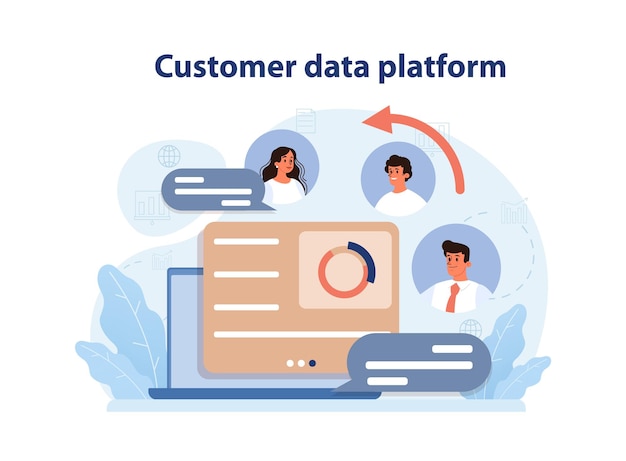
A CDP consolidates information from various sources to create a unified customer database, enabling personalized customer experiences like never before.
In this article, we’ll explore what a CDP is, its benefits, and how it can revolutionize your approach to customer engagement, all while helping you navigate the future of data management in your business.
What is a Customer Data Platform (CDP)?
A Customer Data Platform (CDP) is a specialized software solution designed to consolidate and manage customer data from various sources into a unified database. This functionality empowers organizations to enhance their marketing campaigns through personalized approaches.
CDPs primarily aggregate first-party data, which is information collected directly from customers through interactions with the brand. This contrasts with third-party data, often obtained from external sources. By leveraging first-party data, CDPs ensure that businesses have accurate and relevant insights into customer behaviors and preferences. According to a report by the Data & Marketing Association, businesses that effectively leverage data are six times more likely to engage customers in a meaningful way.
Key functions of a CDP include:
- Identity Resolution: CDPs allow businesses to link and unify customer identities across multiple data sources, creating comprehensive customer profiles.
- Audience Activation: These platforms can activate user-level audiences for targeted messaging, enabling businesses to tailor communications based on individual preferences and behaviors.
- Data Integration: CDPs facilitate seamless integration with various marketing tools and platforms, ensuring a cohesive approach to customer engagement.
The importance of a CDP in modern marketing cannot be overstated. It serves as a centralized hub for customer data, helping businesses streamline their customer management processes and ultimately drive more effective marketing strategies. By utilizing a CDP, companies can improve customer engagement and deepen their understanding of consumer behavior, fostering long-term relationships and loyalty. Research from Gartner suggests that organizations utilizing a CDP can see an increase in customer engagement by up to 20%.
Benefits of a Customer Data Platform
Customer Data Platforms (CDPs) offer numerous advantages that can significantly enhance marketing strategies and customer engagement.
One of the primary benefits is improved customer analytics. By consolidating data from various sources, CDPs enable businesses to better understand customer behavior. This understanding allows for more tailored marketing initiatives, fostering greater customer loyalty and increasing the likelihood of repeat business.
CDPs also address the common challenge of data disorganization. They serve as a centralized hub for customer insights, allowing organizations to streamline their data management processes. By eliminating silos, businesses can access comprehensive customer profiles and make informed decisions based on real-time data.
Moreover, the use of CDPs enhances data protection and compliance with regulations such as GDPR and CCPA. With a focus on first-party data, CDPs ensure that only relevant and necessary data is collected. This not only helps in adhering to regulatory requirements but also builds trust with customers who are increasingly concerned about data privacy.
Additional benefits include the ability for personalized marketing at scale. CDPs actively support segmentation and targeting efforts, resulting in more effective marketing communications. Personalization has been shown to increase engagement significantly, making customers five times more likely to respond to tailored content, as reported by Epsilon.
Real-world use cases highlight the effectiveness of CDPs in various industries. For instance, e-commerce companies utilize CDPs to track customer journeys across multiple channels, allowing them to send targeted offers that resonate with individual preferences. In the travel industry, businesses leverage CDPs to create personalized itineraries and promotions, resulting in higher customer satisfaction.
Overall, a Customer Data Platform not only streamlines data management but also empowers businesses to enhance their marketing efforts, ensuring they meet customer needs effectively and compliantly.
How to Choose the Right Customer Data Platform
Selecting the right CDP starts with a clear understanding of your organizational needs. Identify the specific data challenges your business faces and determine what you aim to achieve with a CDP, such as improved customer insights or enhanced marketing automation.
Compatibility with existing tools is critical. Assess how well a CDP can integrate with your current marketing stack, CRM systems, and data sources. Seamless integration minimizes disruption during implementation and ensures a smoother transition.
Ease of implementation should also be a top consideration. Evaluate the resources and time required to set up the CDP. A platform with user-friendly configurations or robust support resources will significantly reduce the operational burden.
Another important factor is identity resolution features. A strong CDP should effectively link customer identities across various data sources, which is crucial for creating comprehensive customer profiles. This functionality enables personalized interactions and more targeted marketing efforts.
Finally, consider vendor comparisons to navigate the extensive market landscape. With approximately 7,000 customer data tools available, researching and comparing different solutions based on your needs will yield better results. Look for case studies, user reviews, and industry reports to inform your decision.
Key aspects to keep in mind when choosing a Customer Data Platform include:
- Organizational Needs: Define your goals and challenges.
- Compatibility: Check integration with existing systems.
- Implementation: Assess the setup complexity and resources required.
- Identity Resolution: Ensure capabilities to link customer identities.
- Vendor Comparison: Research and analyze available solutions.
By taking these steps, businesses can effectively choose a CDP that aligns with their goals and maximizes the potential of their customer data.
Customer Data Platform Examples
Examples of leading Customer Data Platforms (CDPs) showcase diverse features tailored to various business needs.
Salesforce Data Cloud excels in integrating AI with customer relationship management, offering seamless customer interactions and data-driven insights for enhanced marketing effectiveness.
Twilio Segment is known for its developer-friendly tools that facilitate creating engaging user interactions via cloud solutions, streamlining complex data management tasks.
Adobe Real-Time CDP focuses on delivering real-time insights, optimizing digital marketing efforts by ensuring personalized experiences based on user behavior across different channels.
Tealium’s Customer Data Hub supports a robust infrastructure with over 1,300 built-in connections, empowering brands to create a comprehensive view of their customers through real-time data collection and integration.
The following table outlines some core features of these leading CDPs:
| Customer Data Platform | Key Features |
|---|---|
| Salesforce Data Cloud | AI integration, customer relationship management, data insights |
| Twilio Segment | Developer tools, cloud-based interactions, easy integration |
| Adobe Real-Time CDP | Real-time insights, digital marketing optimization, personalized experiences |
| Tealium’s Customer Data Hub | 1,300+ connections, real-time data collection, comprehensive customer view |
These CDPs are suitable for businesses looking to enhance their customer engagement strategies through advanced data utilization and personalization.
Challenges in Implementing a Customer Data Platform
Implementing a Customer Data Platform (CDP) can pose significant challenges for organizations.
Key issues include:
- Data Quality Issues
Data from varied sources may not be consistent or accurate, leading to unreliable customer profiles. Regular audits and cleansing strategies are necessary to ensure high-quality data. - Integration Complexities
Existing systems may not seamlessly interface with a new CDP, requiring extensive IT resources to create compatible connections and workflows. Detailed planning and phased implementation can help mitigate integration hurdles. - Compliance with Privacy Regulations
Navigating regulations such as GDPR and CCPA can complicate CDP adoption, as organizations must ensure that customer data usage complies with legal standards. According to a survey by TrustArc, 54% of organizations reported challenges in meeting privacy regulations. Establishing a robust governance framework early on is critical for compliance. - Initial Setup Effort
The setup process for a CDP can be resource-intensive, demanding significant time and labor to configure the system and migrate data. Allocating cross-functional teams can distribute the workload effectively. - Long-term Maintenance Requirements
Continuous maintenance is essential to adapt to evolving business needs and technology changes. Establishing dedicated teams ensures ongoing success and viability.
By recognizing these challenges upfront and planning strategically, organizations can improve the implementation process and leverage the full potential of a Customer Data Platform.
The Future of Customer Data Platforms
The evolution of Customer Data Platforms (CDPs) is set to be transformative, driven by advancements in technology, particularly artificial intelligence (AI) and machine learning.
Organizations will increasingly integrate these capabilities into their CDPs, enabling real-time data processing and the generation of actionable insights.
This integration will facilitate more timely and relevant customer interactions, improving personalization strategies.
The emphasis on data privacy is also anticipated to grow. As regulations like GDPR and CCPA evolve, CDPs will incorporate more robust privacy measures to ensure compliance and build trust with consumers.
Companies will need to enhance their data governance frameworks to safeguard customer information, adapting to the changing regulatory landscape effectively.
Another trend is the move towards more sophisticated consumer insights. Organizations will utilize their CDPs not only for basic analytics but to predict future behaviors and preferences, allowing for proactive engagement strategies.
This shift may include leveraging predictive analytics and customer journey mapping, providing businesses with a greater understanding of customer engagement patterns.
In addition to these trends, businesses are expected to adopt a more comprehensive approach to their data strategies.
CDPs will likely evolve into integrated ecosystems that support various functions beyond marketing, including sales and customer support.
This will optimize resource allocation and enhance cross-departmental collaboration, enabling a holistic view of customer interactions and behaviors.
Ultimately, the future of CDPs is geared towards deeper customer engagement and loyalty.
As organizations adapt to these trends, they will unlock the potential of their customer data, driving growth through better-targeted marketing efforts and more personalized customer experiences.
Understanding the intricacies of a Customer Data Platform (CDP) reveals its critical role in modern marketing.
From consolidating diverse data sources to enabling personalized campaigns, CDPs empower businesses to enhance customer engagement effectively.
While choosing the right platform involves navigating potential challenges like data quality and integration, the benefits far outweigh these obstacles.
As technology advances, the future of customer data platforms promises even greater capabilities.
Embracing these developments can lead to stronger customer relationships and improved loyalty. The right CDP can truly transform how businesses connect with their audiences.
FAQ
Q: What is a Customer Data Platform (CDP)?
A: A Customer Data Platform (CDP) is software that consolidates data from various sources to create a unified customer database, helping companies execute personalized marketing campaigns effectively.
Q: How does a customer data platform work?
A: A CDP collects, harmonizes, and activates customer data from different sources, enabling businesses to create comprehensive customer profiles that enhance personalized marketing efforts.
Q: What are the benefits of a customer data platform?
A: CDPs improve customer analytics, enhance marketing strategies, foster customer loyalty, ensure data protection, and provide compliance with regulations like GDPR and CCPA.
Q: What data does a Customer Data Platform collect?
A: CDPs primarily collect first-party data, which is the information directly gathered from customers, contrasting with third-party data sourced from external entities.
Q: How does a CDP help with personalization?
A: CDPs support personalization by linking customer identities across channels, allowing businesses to deliver tailored content, increasing customer engagement significantly.
Q: What challenges arise in implementing a Customer Data Platform?
A: Challenges in implementing a CDP include data quality issues, integration complexities with existing systems, compliance with privacy regulations, and the need for initial setup effort.
Q: Who needs a customer data platform?
A: Companies seeking to centralize customer data, improve marketing effectiveness, and gain deeper customer insights, such as marketers and customer relationship managers, need a CDP.
Q: How do CDPs differ from Customer Relationship Management (CRM) systems?
A: Unlike CRMs, which focus on specific customer interactions, CDPs manage data across the entire customer lifecycle, providing a holistic view of customer behavior and engagement.
Q: How can businesses choose the right CDP?
A: Choosing the right CDP involves assessing organizational needs, compatibility with existing tools, ease of implementation, and identity resolution features for effective marketing integration.
Q: What are some examples of Customer Data Platforms?
A: Notable CDPs include Salesforce Data Cloud, Twilio Segment, Adobe Real-Time CDP, and Tealium’s Customer Data Hub, each offering unique features tailored to different business requirements.
Q: What does the future hold for Customer Data Platforms?
A: The future of CDPs includes trends towards enhanced AI integration, real-time data processing, improved privacy measures, and advanced customer insight capabilities to strengthen engagement strategies.